Exploring the Innovations and Applications of Piezo Technology in China
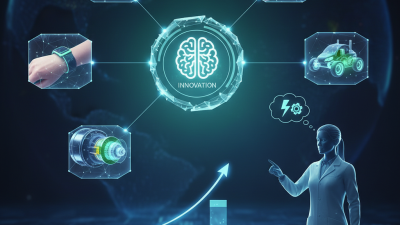
Piezo Technology has emerged as a significant force driving innovation in various fields. Its ability to convert mechanical stress into electrical energy opens new horizons for applications in China. This technology is redefining industries, from healthcare devices to automotive solutions. Recent advancements have made it more accessible and versatile.
In the realm of smart devices, Piezo Technology plays a crucial role. It enhances sensor capabilities, enabling precise measurements and responsiveness. For example, smart wearables can monitor health vitals more accurately than ever. Yet, challenges remain in integrating this technology into everyday products seamlessly.
Despite impressive developments, there are areas for reflection. Not all applications harness the potential of Piezo Technology fully. Some industries lag in adopting these innovations. The question is whether we can address these gaps effectively. Continued research and collaboration will be key to overcoming barriers. As China explores this technology further, the impact on various sectors could be transformative.

Overview of Piezo Technology: Definition and Principles
Piezo technology operates on the principle of piezoelectricity, where certain materials generate electric charge in response to applied mechanical stress. This phenomenon is pivotal in various applications, notably in sensors, actuators, and energy harvesting devices. According to the International Piezoelectric Association, the market for piezo materials is projected to grow at a CAGR of 7.5% from 2021 to 2028, driven by the increasing demand for automation and the advancement of IoT technologies.
In China, the integration of piezo technology is expanding rapidly. Reports indicate that the automotive sector is a significant contributor, with piezoelectric sensors enhancing engine efficiency and safety features. Furthermore, in robotics, these materials enable precise movement control and feedback.
However, the reliance on specific materials poses challenges, such as supply chain stability. The exploration of alternative materials remains a topic for researchers and industry professionals.
While piezo technology exhibits great potential, sustainability must be considered. The environmental impact of sourcing raw materials and waste from outdated devices requires attention. Striking a balance between innovation and sustainable practices is crucial for long-term success in this field. Integrating sustainability can enhance the credibility of the piezo technology sector in the eyes of consumers and investors alike.
Historical Development of Piezo Technology in China
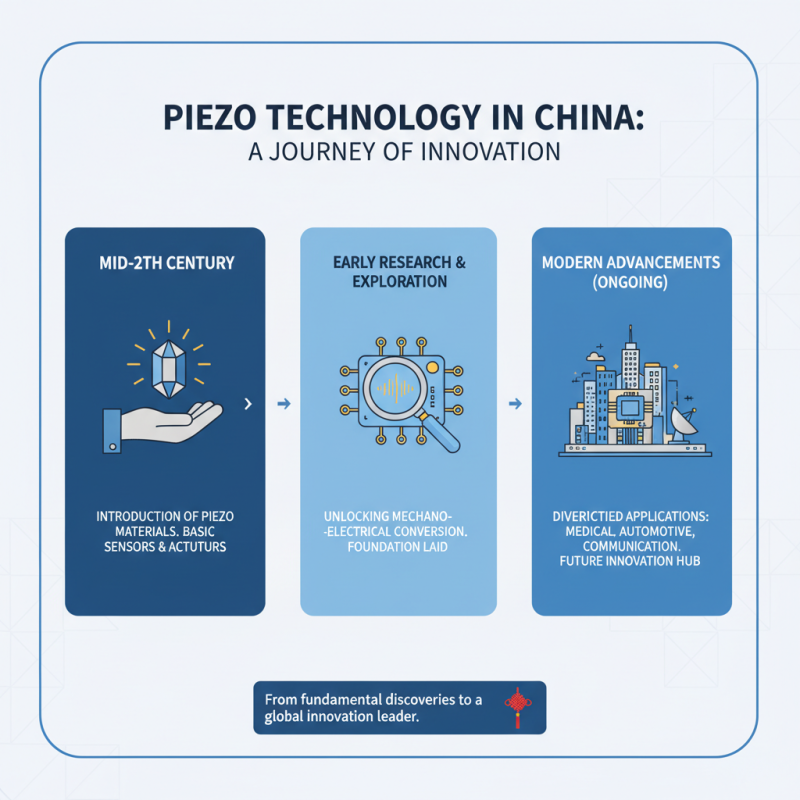
The historical development of piezo technology in China reflects a journey of innovation and adaptation. Initially, piezoelectric materials were introduced in the mid-20th century, primarily for basic applications in sensors and actuators. Researchers began to explore the unique properties of these materials, focusing on their ability to convert mechanical stress into electrical energy. This exploration laid a foundation for advancements in various fields.
In the 1980s and 1990s, significant breakthroughs occurred. Chinese scientists started to develop piezoelectric ceramics with improved performance. They experimented with different compositions and processing techniques. Issues remained, such as the durability of materials under extreme conditions. Yet, the desire for progress drove the research forward. By the early 2000s, piezo technology was incorporated into diverse sectors, including telecommunications and robotics.
Today, the focus has shifted towards finding sustainable and eco-friendly alternatives. The challenges of production waste and toxic materials are still under scrutiny. Research institutions and universities are increasingly collaborating to address these concerns. Despite the progress, the path is not free of obstacles. The quest for efficiency and reliability continues to shape the future of piezo technology in China.
Key Innovations in Piezo Technology: Recent Advances and Trends
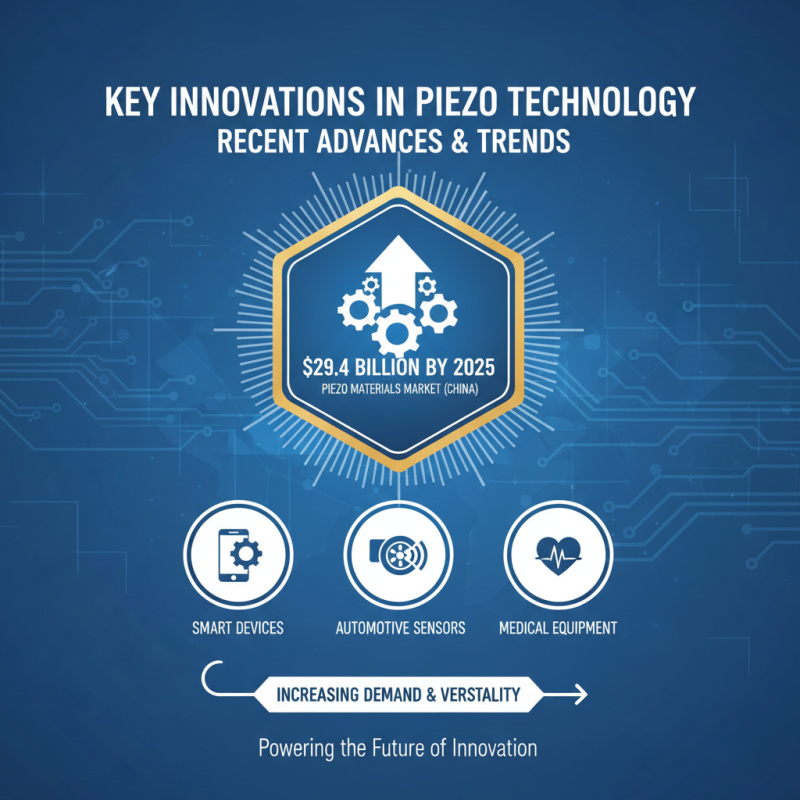
The field of piezo technology is witnessing significant advancements in China. Recent reports suggest that the piezoelectric materials market is expected to reach $29.4 billion by 2025. This rapid growth highlights not only the increasing demand but also the innovative applications emerging across various sectors. Smart devices, automotive sensors, and medical equipment are increasingly relying on piezo technology, showcasing its versatility.
One key innovation is the development of flexible piezoelectric materials. These materials can be integrated into wearable devices, improving user experience and functionality. They can generate electricity from body movements, promoting energy efficiency. A study from the International Journal of Electronics notes these materials are crucial for the next generation of smart textiles.
Tip: Stay updated on the latest research in piezo technology. Innovative papers often reveal unexpected applications and improvements.
Despite the enthusiasm, challenges persist. The efficiency of piezoelectric materials varies, and durability can be an issue. As companies experiment with new composites, the quest for reliability continues. Industry stakeholders need to gather insights from real-world applications to overcome these hurdles.
Tip: Collaborate with experts to share data and experiences. This approach fosters innovation and addresses ongoing challenges in piezo technology.
Applications of Piezo Technology Across Various Industries in China
Piezo technology has gained significant traction in various industries across China, showcasing its versatility and innovative applications. In the healthcare sector, piezoelectric sensors are utilized in ultrasound equipment. A report by GlobalData indicates that the medical device market in China is expected to reach $78 billion by 2025, driven largely by advancements in imaging technologies. This trend highlights the reliance on piezoelectric components for high-quality diagnostics.
In the manufacturing industry, piezo technology enhances automation processes. Piezo actuators improve precision in robotic systems, reducing errors and increasing productivity. According to a study from MarketsandMarkets, the piezoelectric devices market in China is projected to reach $10 billion by 2024. This growth reflects the shift towards smarter manufacturing solutions.
**Tip:** When exploring piezo technology applications, consider the specific requirements of each industry. Different sectors may demand unique specifications, impacting the effectiveness of chosen solutions.
Despite these advancements, challenges remain. The cost of developing piezo-based systems can be high, limiting accessibility for smaller businesses. Moreover, the need for skilled personnel to implement these technologies poses additional barriers.
**Tip:** Businesses should invest in training programs to equip employees with necessary piezo technology skills. This focus can lead to better integration and innovation within the industry.
Challenges and Future Directions for Piezo Technology in China
Piezo technology in China has witnessed significant advancements. However, the path is not entirely smooth. One major challenge is the inconsistency in material quality. Many manufacturers struggle to maintain high standards. This inconsistency affects performance and long-term reliability. It’s crucial for industries to address these quality issues to foster trust in the marketplace.
Furthermore, the integration of piezo technology into existing systems is often complex. Companies face hurdles in adapting current infrastructure. This can lead to increased costs and project delays. Overcoming these obstacles requires collaboration between engineers and manufacturers to develop tailored solutions. Training and skill development are also necessary for the workforce. The gap in expertise in piezo applications limits growth potential.
Additionally, regulatory hurdles present another significant challenge. Navigating the approval processes can be time-consuming and cumbersome. Many companies lack a clear understanding of the relevant regulations. This results in delays and increased operational costs. As piezo technology continues to evolve, addressing these issues will be essential for sustainable growth in the sector. Fostering an environment conducive to innovation requires concerted efforts from all stakeholders involved.