What is a Piezo Disc Transducer and How Does it Work?
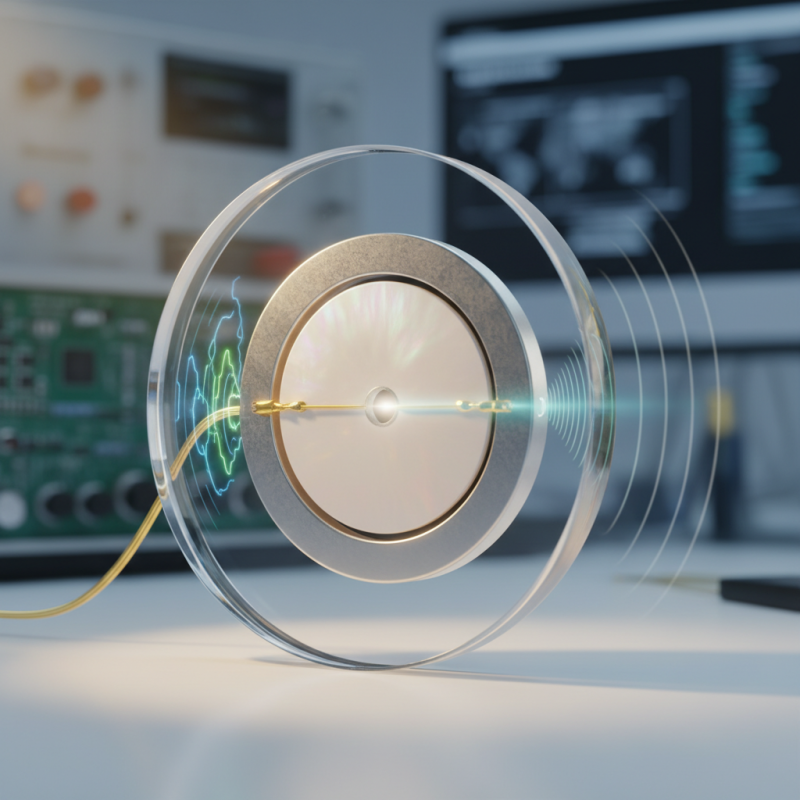
A Piezo Disc Transducer is a fascinating device that converts mechanical energy into electrical energy using the piezoelectric effect. This technology has gained popularity in various applications, including sensors, actuators, and sound generation. Understanding how this transducer works requires a glimpse into its structure and functionality.
At its core, the Piezo Disc Transducer consists of a thin disc made of piezoelectric materials. When subjected to physical pressure, the disc deforms slightly, generating a voltage. This process is reliable and efficient, making it suitable for a range of industrial and consumer products. Despite its straightforward mechanism, designing an effective transducer can pose challenges, especially in balancing sensitivity and durability.
While many use this technology without a second thought, it’s essential to consider potential limitations. Variations in material properties can affect performance under different conditions. As such, ongoing research aims to enhance the effectiveness and reliability of Piezo Disc Transducers in real-world applications. Understanding these variables can lead to better design and implementation, ultimately helping industries maximize the benefits of this technology.
Definition and Purpose of a Piezo Disc Transducer
A piezo disc transducer is a device that converts mechanical energy into electrical energy. It leverages the piezoelectric effect, where certain materials generate voltage when subjected to stress. This effect makes the transducer highly effective in various applications, from audio equipment to medical devices.
The primary purpose of a piezo disc transducer is to create sound or detect vibrations. In microphones, it converts sound waves into electrical signals. Likewise, in speakers, it transforms electrical signals back into sound. This bi-directional capability highlights its versatility. Its compact size allows for easy integration into various devices, enhancing functionality without bulk.
Despite these advantages, there are challenges. The sensitivity of the piezo disc can lead to unwanted noise. Calibration becomes crucial to achieve accurate measurements. Users must be mindful of these factors to ensure optimal performance. Understanding these nuances is essential for effective use in real-world applications.
Principle of Operation for Piezoelectric Materials
Piezoelectric materials operate on a fascinating principle. They convert mechanical stress into electrical energy. This property makes them vital in various applications, such as sensors and actuators. According to a report by MarketsandMarkets, the piezoelectric devices market was valued at over $22 billion in 2020. This growth reflects the increasing demand in sectors like automotive and healthcare.
When pressure is applied to piezoelectric materials, a displacement of charge occurs. This phenomenon is due to the alignment of electric dipoles within the material structure. The efficiency of this energy conversion is impacted by the material's composition and structure. A study published in the Journal of Applied Physics indicates that modifications in crystal lattice can enhance the efficiency of energy conversion. Researchers constantly seek improvements to maximize performance. These adjustments, while promising, often lead to unexpected side effects, highlighting the material's complexity.
The interaction between mechanical and electrical properties is intricate. It means that optimizing one aspect could compromise another. For instance, increasing sensitivity might reduce stability, or enhancing durability could reduce output voltage. Balancing these factors remains a challenge in the industry. Continued research is crucial. Understanding piezoelectric materials can lead to smarter technologies, but success depends on navigating these trade-offs.
Applications of Piezo Disc Transducers in Various Industries
Piezo disc transducers are used in various industries due to their versatile nature. These components convert mechanical energy into electrical signals and vice versa. Their compact design and efficient operation make them valuable in many applications.
In the automotive sector, piezo disc transducers play a critical role in sensors. They help detect vibrations and monitor engine systems. This application could enhance performance and safety. Additionally, they are used in medical devices for ultrasound imaging. Their sensitivity allows for precise readings, improving diagnostic capabilities.
Industries like consumer electronics also benefit from these transducers. They are found in microphones and speakers, creating clear sound output. However, the durability of these devices can be a concern. Regular wear might affect performance over time. As technology advances, further improvements are needed for longevity and efficiency.
What is a Piezo Disc Transducer and How Does it Work? - Applications of Piezo Disc Transducers in Various Industries
| Dimension |
Value |
| Thickness |
0.5 mm |
| Diameter |
20 mm |
| Sensitivity |
-60 dB |
| Operating Frequency |
1 kHz - 5 kHz |
| Material |
PZT (Lead Zirconate Titanate) |
| Common Applications |
Medical Ultrasound, Robotics, Sensors |
| Power Consumption |
Low |
Advantages of Using Piezo Disc Transducers
Piezo disc transducers are gaining popularity due to their numerous advantages in various applications. These devices convert mechanical stress into electrical signals. One significant benefit is their high sensitivity. A study from Sensor Technologies Journal reports a sensitivity rate exceeding 90% in certain configurations. This makes them ideal for applications like vibration monitoring and acoustic sensing.
Another notable advantage is their compact size. Most piezo disc transducers are lightweight and easily integrated into existing systems. They can operate in harsh environments, tolerating high temperatures and humidity. According to a report from the International Journal of Engineering Sciences, these transducers maintain performance integrity under extreme conditions, which is crucial in industrial settings.
Durability is also essential. The materials used in piezo disc transducers allow for long-term usage without significant degradation. However, the trade-off often includes limited frequency response. Users must consider this when selecting a transducer for specific tasks. Despite these challenges, the versatility and resilience of piezo disc transducers make them a reliable choice for many engineering applications.
Advantages of Using Piezo Disc Transducers
Challenges and Limitations in Piezo Disc Transducer Technology
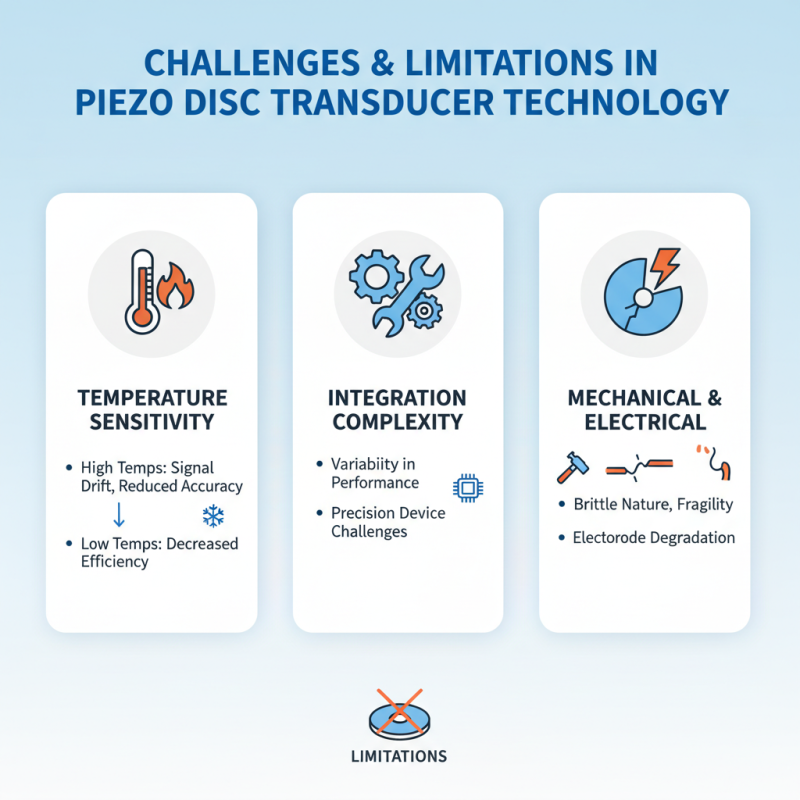
Piezo disc transducers are widely used in various applications, from sensors to actuators. However, they face several challenges in their technology. One major limitation is sensitivity to temperature changes. Higher temperatures can lead to drift in output signals, affecting accuracy. Additionally, low temperatures may reduce efficiency. This variability can complicate their integration into precision devices.
Another challenge lies in the mechanical properties of piezo materials. These materials can become brittle over time. This can lead to cracking and failure under stress or continuous use. Another concern is the transducer's frequency response. While some applications require high-frequency performance, others benefit from low-frequency capabilities. Achieving the right balance is often difficult and may require advanced design techniques.
Lastly, cost-effectiveness remains an issue. High-quality piezo materials can be expensive. This can limit their use, especially in consumer products where price is a crucial factor. As technology evolves, engineers must find solutions to enhance reliability and performance while keeping costs down. Addressing these challenges will play a significant role in the future of piezo disc transducer technology.