


How Does Haptic Feedback Work?
1.What is Haptic Feedback?
2.How Does Haptic Feedback Work?
3.Haptic Experience
4.History of Haptic Feedback
5.The Future of Haptic Feedback
6.Conclusion
What is Haptic Feedback?
As we have mentioned before, Haptic Feedback is a technology which enables users to provide digital interactions with a sense of touch. It generates sensations such as vibration, pressure, or movement to simulate a physical response.
How Does Haptic Feedback Work?
Haptic feedback receives the electrical signals and turns them into motion the user can feel. The system process first detects a user's input, such as a tap or press which sends an electronic signal to a controller. Then controller transmits the signal to an actuator that generates a physical vibration or motion. The entire cycle lasts milliseconds to create a feeling of real-time touch.
At the core of this process are actuators. There are several major types of actuators, each with different characteristics and applications.
-Eccentric Rotating Mass Motors (ERM):
ERM motors have a miniature, unbalanced weight on a turning shaft. When the motor rotates the uneven mass produces vibration. They are simple and low-cost. They are used in older smartphones and inexpensive devices.
-Linear Resonant Actuators (LRAs):
LRAs use a magnetic mass and spring to cause the vibrations to occur along 1-axis. They provide higher response times and more incredibly consistent frequencies than ERMs. Because they are more efficient in terms of power consumption and offer more clear tactile feedback, LRAs are common in modern smartphones and wearable haptic feedback devices.
-Piezoelectric Actuators:
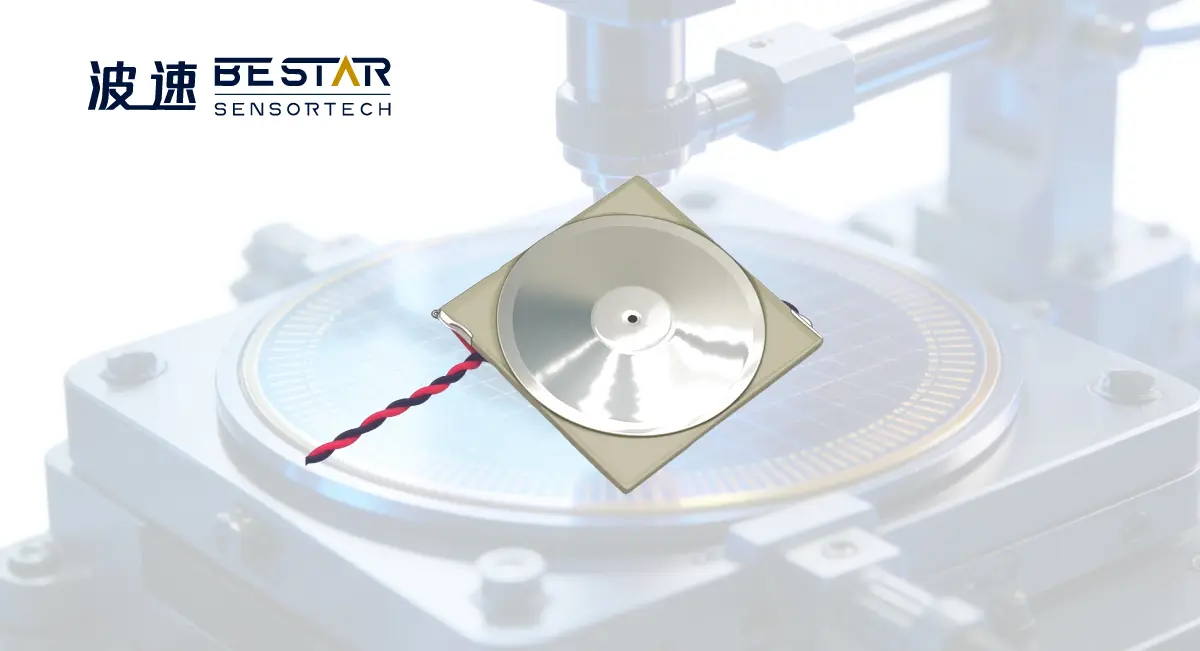
These actuators use piezoelectric ceramics. When a voltage is applied, the ceramics will deform. When the voltage is removed they spring back to their original shape. This action generates high-frequency, precise vibrations, quickly and with high precision and accuracy. Piezoelectric actuators are thin, durable and effective which makes them suitable for compact designs.
-Electrostatic and Ultra-sonic Actuators:
The modern haptic devices contain electrostatic fields and ultrasonic waves to produce tactile sensations without direct contact. These technologies will change the next generation of mid-air haptic interfacing.

Haptic Experience
On smartphones, the virtual keyboard knows when a user touches the screen, and piezoelectric elements which are installed below the screen, vibrate for a short time. The vibration reacts like an actual button being pressed, delivering instant feedback for enhanced typing accuracy and satisfaction.
Other devices such as VR gloves and robotic surgical systems have dozens of actuators working together. They can support complex vibration patterns that imitate textures, resistance or even shapes, while users can interact with devices in a more natural and precise way.
History of Haptic Feedback
The field began in the middle of the 20th century. In the 1950s, aviation simulators applied force feedback to make the pilots perceive actual flight conditions. During the 1980s and 1990s, research shifted into robotics and virtual environments. Gaming first brought haptics into gaming devices. With the increasing use of mobile phones, haptic feedback became a necessity to touchscreens. As there are no physical buttons on our smartphones, tactile response gives users a sense of confidence with regards to their actions.
The Future of Haptic Feedback
Haptic feedback will be more realistic, adaptive and multi-sensory in the future. As digital worlds such as VR, AR and remote control systems get more in-depth will be critical to human machines communication.
One of the major directions is mid-air haptics, where haptics can be used to feel virtual buttons or textures without physically touching a screen. Ultrasonic or electrostatic technology projects sensations directly onto the hand providing fresh opportunities for contactless interfaces, interactive displays and hygienic medical devices.
Another area of great potential is wearable haptic feedback devices. Smart gloves, wristbands and suits embedded with actuators allow people to hear force, feel texture and feel movement in real time. In virtual reality, people can feel the feel of an object or virtual tool.
Haptic feedback is also more popular in auto industry. Subtle vibrations in the steering wheel, steering wheel cover, seats or car dashboards will provide alertness to drivers without distracting them visually.
In the next few years, haptic feedback systems will get thinner, use less energy and be able to introduce richer tactile sensations. As such, touch is more and more likely to be a fact of digital life - in addition to sight and sound.
Conclusion
Haptic feedback makes the digital interfaces touchable. Using the actuators like ERMs, LRAs and Piezoelectric ceramic elements, it turns the electrical energy to immediate physical sensation, which the users can feel. From the early days of flight simulators to the current smartphone and virtual reality, haptics has become an important element in modern-day design.
In the near future, haptic technology will go much further than simple vibrations, exchanging communication immersively and allowing for more intuitive controls and even deeper connection from an emotional standpoint with digital environments. Touch will not only improve the way we interact with machines but also bring up the digital and physical worlds closer than ever before.
Looking for the suitable haptic feedback solutions for your applications? Contact our team of engineers right now for advice and a quote.
 Feb,06 2026