


Piezoelectric Actuators: Precision Motion Control Powered by Advanced Ceramics
1.Introduction
2.Actuators and Piezo electric Ceramics
3.Advantages of Piezoelectric Actuators
4.More about Bestarsensor
5.Modern Applications
6.Conclusion
Introduction
Modern industry has very precise requirements. Now manufacturing processes need motion control processes to the micrometer and even nanometer level. Traditional mechanical systems are unable to fulfill these needs. The demand for ultra-precise positioning has seen the development of new technologies. Piezoelectric actuators have come forward as the solution. These devices convert the electrical power to mechanical motion directly. They have certain unique advantages that make them a must-have in the world of precision engineering. From semiconductor fabrication to medical devices, piezo actuators had become indispensable machines.
Actuators and Piezo electric Ceramics
Understanding piezoelectric actuators means understanding piezoelectric ceramics, which is the fundamental element of a piezoelectric actuator. The relationship between the piezo actuator and the piezo ceramic can not be separated. Every performance advantage of a piezo actuator is directly related to the properties of its piezo ceramic element.
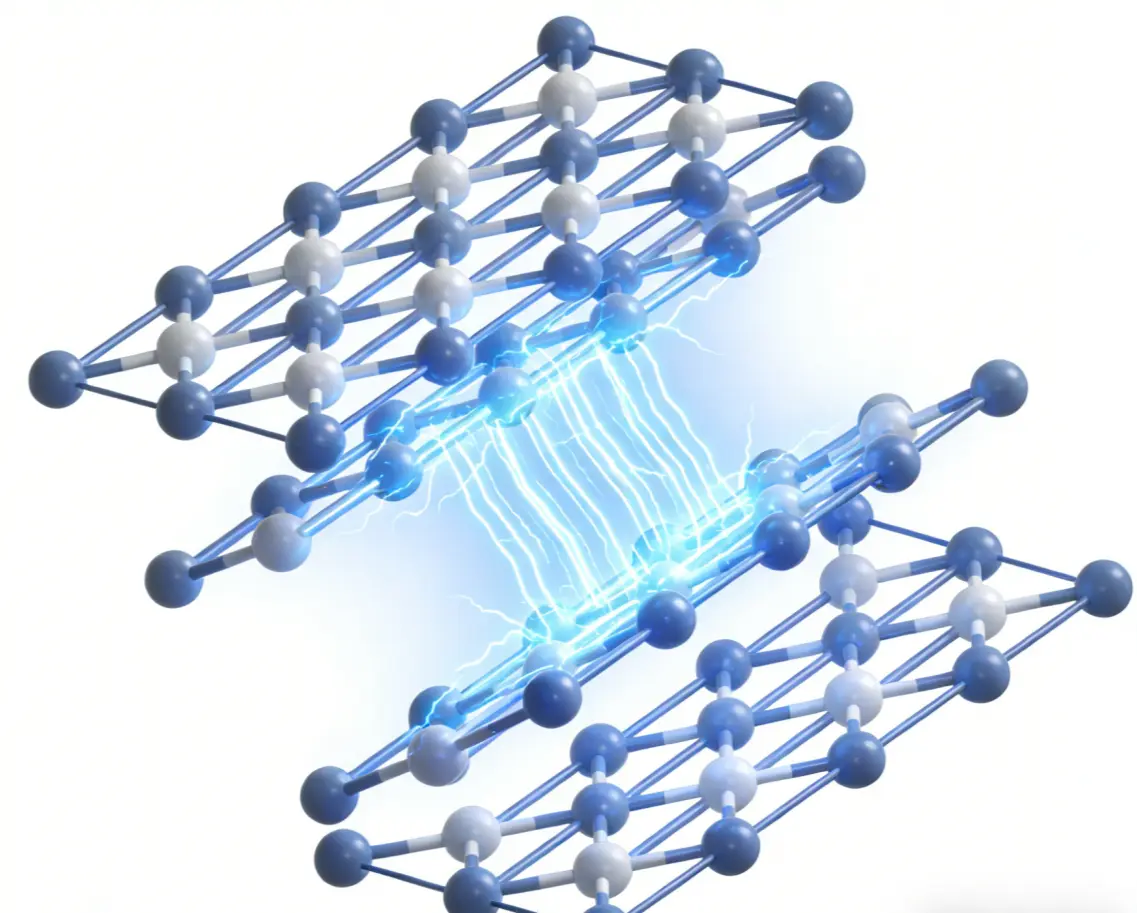
Piezoelectric ceramics display an amazing property known as the piezoelectric effect. When the voltage is applied these materials change shape. This electromechanical conversion occurs on the molecular level. The ceramic crystal structure is deformed under the action of the electric field. This deformation is accurate, repeatable and instantaneous.
High-quality piezoelectric ceramics convert executory motion. Material purity, crystal structure and manufacturing processes all have an impact on performance. Superior ceramics provide superior actuation. The transformation from material to motion is a straight-cut. The electrical signals make voltage within the ceramic element. The ceramic according to voltage polarity and magnitude expands or contracts. This change in dimension causes the actuator mechanism to occur. The result is linear or rotary motion having exceptional control.
Advantages of Piezoelectric Actuators
1. Sub-nanometer Precision
Piezoelectric actuators bring positioning accuracy that appears to be almost unbelievable. With them, they can move in increments of less than one nanometer. This detail of being at an atomic level is due to the lack of mechanical gaps. Traditional motors consist of gears, bearings and friction. These components will cause some problems. Piezo actuators do not have these problems at all.
2. Ultrafast Response Time
Speed is important in today's application. Piezoelectric actuators respond to responses in milliseconds, even just microseconds. The electromechanical conversion occurs very quickly. When the voltage changes, there is an immediate change in the shape of the ceramic. This ultrafast response makes possible high frequency of vibration and switching. The advantage in speed paves new ways forward. Scanning systems can be used at kilohertz frequencies. Active vibration damping can limit a disturbance in the real time. Fast switching allows control of precision valves in fuel injection systems.
3. High Force Density
Size limitations are a problem of modern engineering. Equipment needs to become smaller and yet maintain or increase capability. Piezoelectric actuators are the best in this field. They provide tremendous force over small size. A small PZT actuator can generate forces of more than hundreds of newton. The force to volume ratio exceeds traditional motors by almost an order of magnitude. This high energy density allows a better use of the device integration space. Designers can create powerful systems within a limited space
4. Reliability and Efficiency
Longevity and energy efficiency are very important issues. Piezoelectric actuators provide the solution both. The solid state construction has no wearing parts. There are no brushes to be replaced, no gears to be lubricated or bearings to fail. The strong structure withstands billions of cycles. Energy efficiency is another benefit that comes with this. Piezoelectric actuators are not powered when they are at rest. Standing in a position, they almost don't need any energy. The ceramic maintains its deformed state without continuous input of power. This characteristic reduces the heat generation, as well as longens the service life.
More about Bestarsensor
The quality of the materials determines the capabilities of the actuators. Bestarsensor has specialized for many years in high-performance piezoelectric ceramic. The company specializes in the development and research of advanced materials in the pizeo ceramic sector. Bestarsensor offers the ceramic heart parts of piezoelectric actuators used throughout the world. The company's manufacturing processes have strict quality control. Every ceramic element is intensively tested. This mind for details ensures reliable performance of each piezoelectric actuator that is subject to extreme conditions. Advanced ceramics allow for advanced actuation.
Modern Applications
1. Advanced Medical Technology
Medical applications demand absolute precision. Minimally invasive surgical instruments use piezoelectric actuators for precise positioning. Surgeons can make movements measured in micrometers. This precision reduces tissue damage and improves patient outcomes. Drug delivery systems also benefit from piezo actuator technology. Insulin pumps and other infusion devices require accurate flow control. Piezoelectric valves provide the necessary precision. Patients receive exact dosages at the right time.
2. Optics and Photonics
Optical systems require constant adjustment. Camera lenses use piezoelectric actuators for autofocus mechanisms. The piezo actuators move lens elements with extreme precision. Focus happens quickly and accurately, even in challenging conditions.
Laser systems need precise beam control. Piezoelectric actuators deflect and position laser beams. Microscope stages use piezo actuators to position samples. Researchers can scan specimens with nanometer resolution.
3. Semiconductor Manufacturing
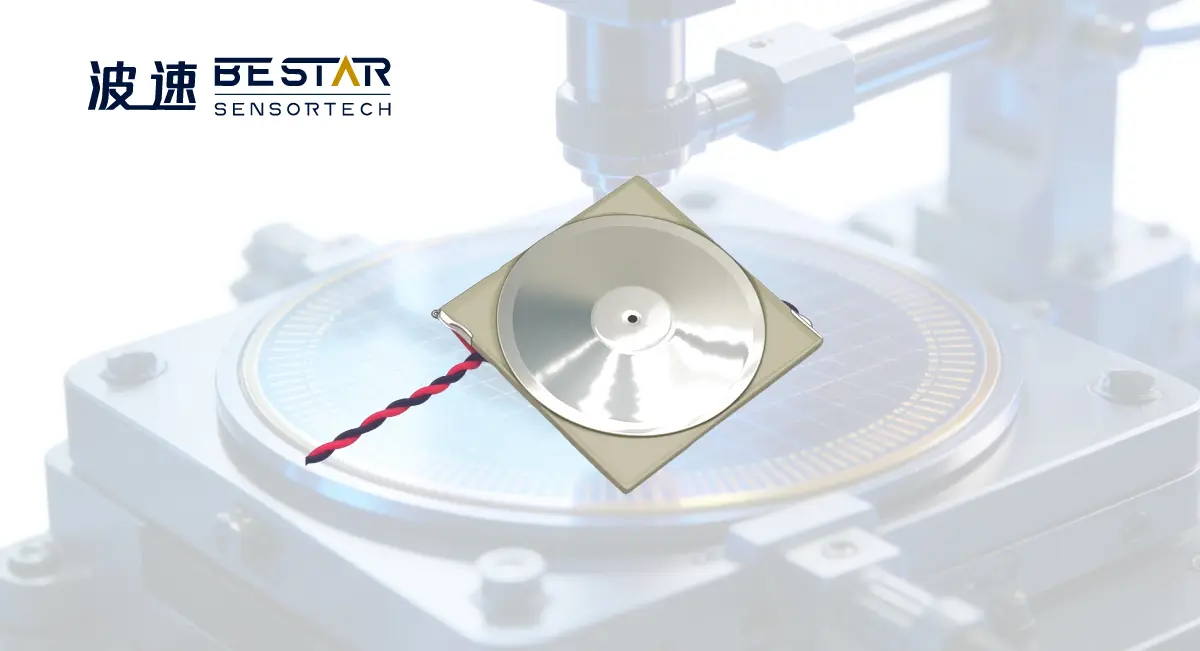
The semiconductor industry has the most demanding precision requirements. Wafer processing requires positioning accuracy below 10 nanometers. Traditional mechanical systems cannot achieve this level of control. So piezoelectric actuators make modern chip fabrication possible. Lithography tools use piezo actuators to position wafers under exposure optics. The actuators compensate for thermal drift and vibration. They maintain alignment throughout the exposure process. This precision enables the production of advanced microchips.
Conclusion
Piezoelectric actuators have defined new standards in precision motion control. Their combination of accuracy, speed, force and efficiency remains unmatched. As technology demands increase, these devices become even more critical.
The foundation of piezo actuator performance rests on material quality. High-performance piezoelectric ceramics from specialists like Bestarsensor drive continuous advancement. These materials are the core engine pushing technology beyond current boundaries.
 Feb,06 2026