


What Is a Piezoelectric Transducer and How Does It Work?
1.What Is Piezoelectric Transducer
2.How Does It Work?
3.Main Piezoelectric Transducer Applications4.
4.Why Choose Piezoelectric Transducers?
5.Frequently Asked Questions (FAQ)
6.Conclusion
What Is Piezoelectric Transducer
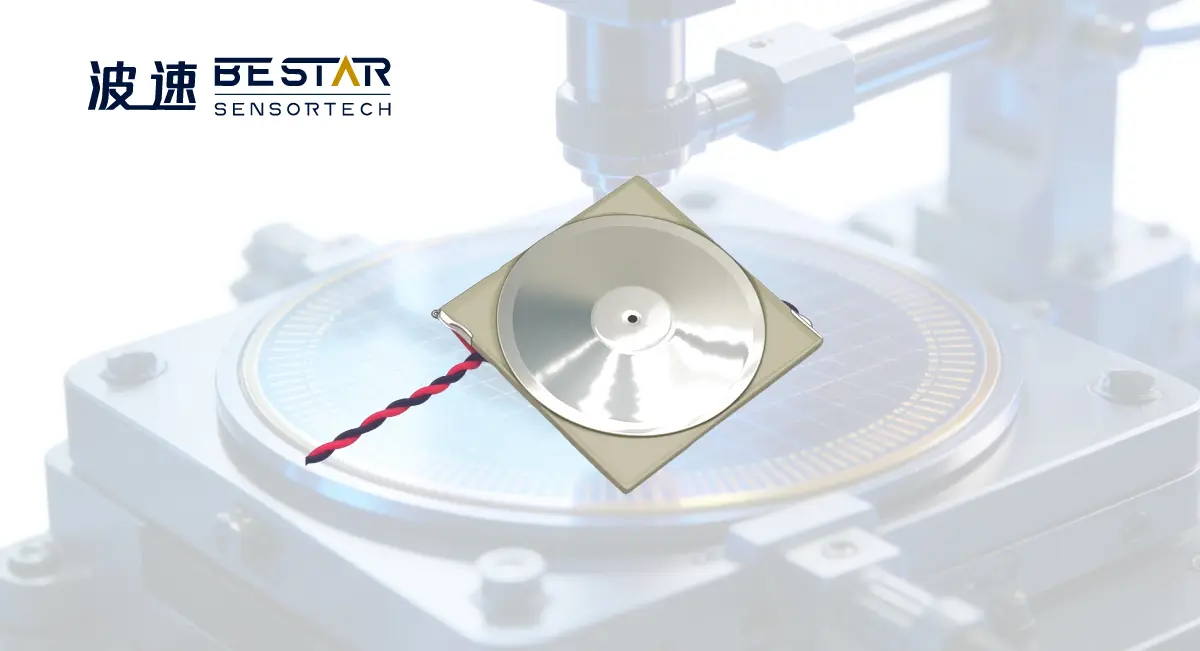
A piezoelectric transducer is a precision tool that keeps changing mechanical energy into electrical energy and the other way around, by means of the special features of piezoelectric materials. What is piezoelectric transducer? It is a component that allows it to be converted to and from energy in both directions and is the basis of a large number of modern sensing and actuating technologies. At its heart, this seemingly simple device plays an integral role in our modern day systems, regardless of whether we use it to employ automated systems in industrial applications or in the medical diagnostics field.
The Physical Foundation
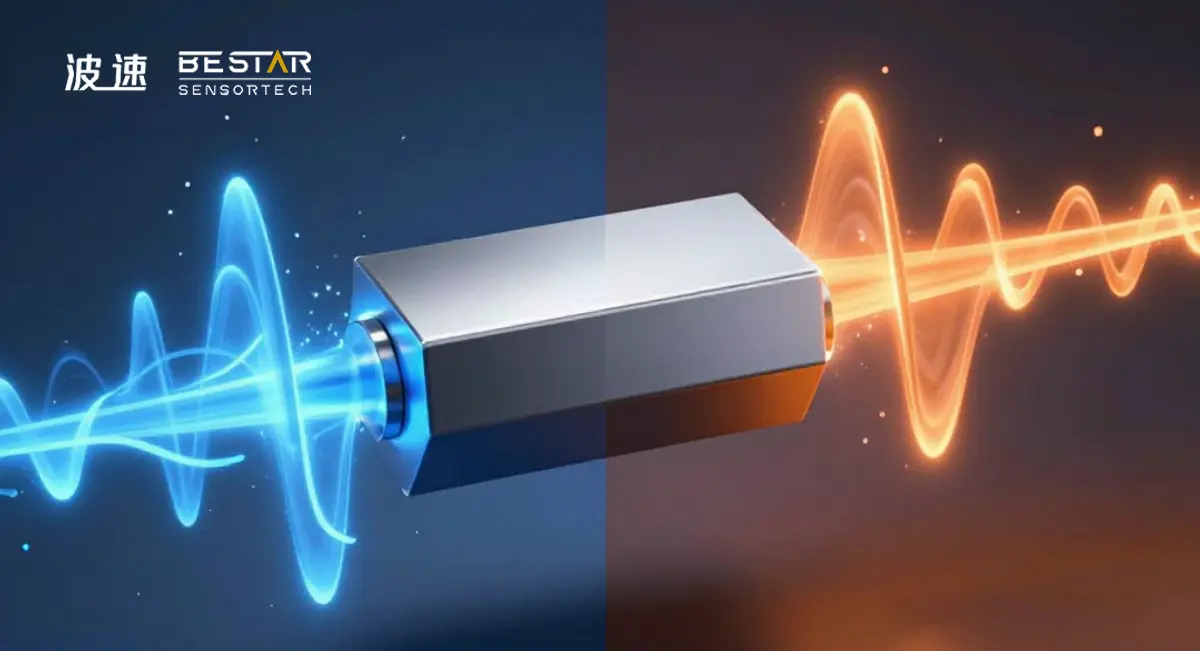
The key behind this stunning ability is in the important concept known as the "piezoelectric effect" which is a property possessed by some crystalline materials such as piezoelectric ceramics, quartz and special polymers. When these materials are applied with mechanical stress or pressure, vibration or deformation, they induce an electrical charge. Conversely when an electrical voltage is applied they undergo physical deformation or vibration. Due to this bi-directional energy conversion, which is how the piezoelectric transducer working principle is formed, it is what makes piezoelectric materials so versatile and powerful.
A Dual Function
Piezoelectric transducers from a lot of other components is that they may well function in two really different modes. As a sensor of the piezoelectric transducer type, the device detects minute mechanical sensor signals, such as pressure change, acoustic wave or physical touch and converts them into constructive electrical signals. As an actuator, it produces a very precise mechanical motion or high frequency vibration when fed with an electrical input. This two functions being a single piece makes the piezoelectric ultrasonic transducer ideal for use as both a transmitter and receiver, making them essential in many applications requiring the use of ultrasonic sensing, especially in applications that require sending out a sound wave and then listening for its echo.
How Does It Work?
The Direct Piezoelectric Effect (Sensing Mode)
That is referred to as the direct piezoelectric effect. The direct piezoelectric effect is the basis of the sensing-related piezoelectric transducer function. When some mechanical force is applied to a piezoelectric material, by e.g. pressure change, shock, or incoming acoustic wave, the internal structure of its crystals get distorted a little. This distortion leads to a separation of positive and negative charge within the material so that a measurable voltage is produced across the surface of the material. The extent of this voltage is directly related to the amount of applied force and, thus, the transducer is able to detect and accurately quantify mechanical inputs. This principle describes how does a piezoelectric transducer works in pressure sensing, ultrasonic echo detection, and touch input applications.
The Inverse Piezoelectric Assistant effectiveness (actuation mode)
The inverse piezoelectric effect is in a reverse direction to the piezoelectric effect. When a voltage (AC) is applied, the piezoelectric material expands and contracts in accordance with a signal. By carefully controlling both the frequency and the amplitude of the applied voltage engineers can produce very precise mechanical vibrations at frequencies varying anywhere from several kilohertz to several megahertz.
This is the working principle for ultrasonic piezoelectric transducer used for cleaning, welding or distance measurement.
Bidirectional Conversion at Work
The real elegance of piezoelectric transducers is that it is possible to switch totally between these two modes. In ultrasonic level measurement. For example, this is first performed as an actuator, whereby the transducer emits a high-frequency pulse. Milliseconds after that, it falls into sensing mode, sensing the echo reflected back from a distant surface. This rapid switching between transmitting and receiving allows monitoring in real time environments for industrial as well as medical applications.
Main Piezoelectric Transducer Applications
Industrial Monitoring Measurement
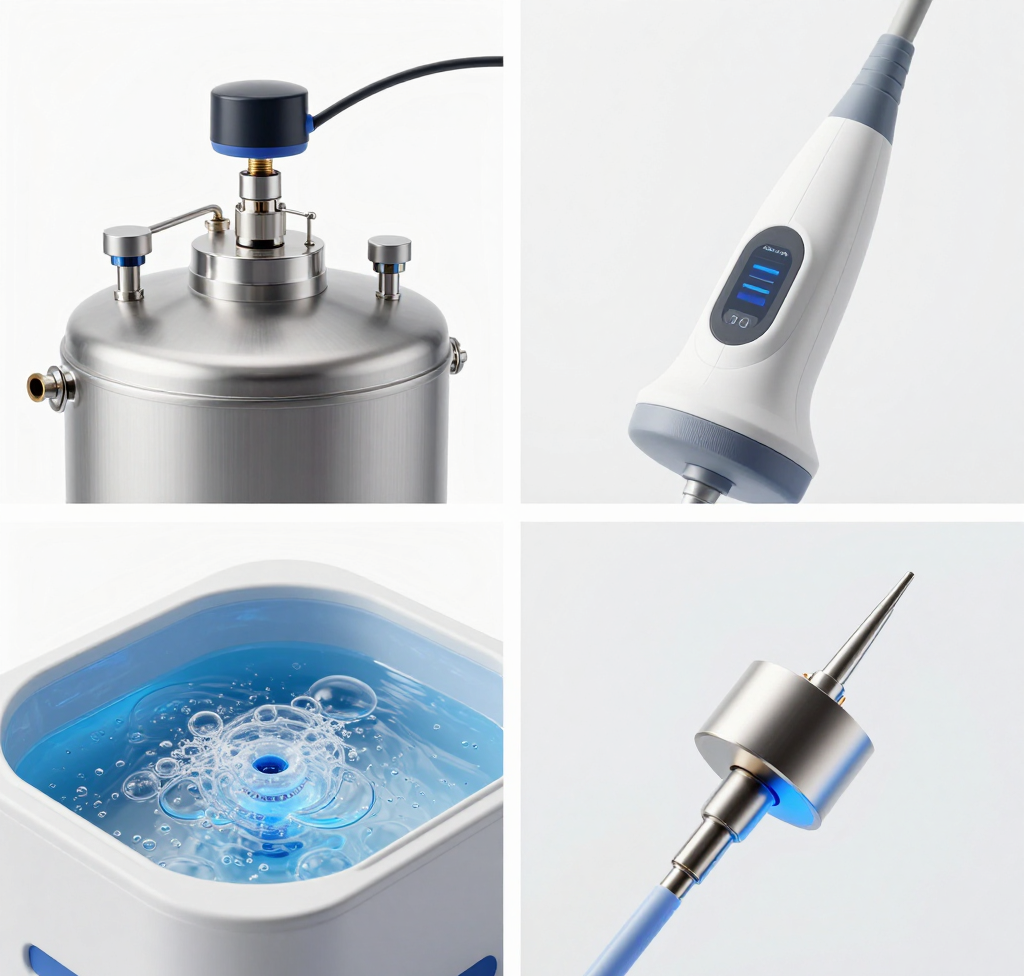
Many applications of piezoelectric transducers are industrial sensing applications. In ultrasonic level sensors, the function of sensors is to sound emission and reception in order to determine the liquid level accurately without contact with the medium. In the case of flow meters, they are used to detect transit time or Doppler shift of ultrasonic signals to determine flow rates.
In non-destructive testing (NDT), piezoelectric transducers possess the function of transmitting ultrasonic waves into metal structures in order to detect the position of internal cracks or voids. These challenging environments require reliability, accuracy and long term use, all skills possessed by piezoelectric technology.
Cleaning and Processing Material
One of the most known applications for piezoelectric transducer technology is ultrasonic cleaning. When operated at high frequencies (usually 20 kHz to 100 kHz), the transducer vibrates whereas intense vibrations occur in a liquid bath and irrigation cavitation bubbles collapse and drag contaminants off surfaces.
Similarly, in ultrasonic welding, vibrations apply local seek heat and element to the materials, without the demand for adhesives or fasteners.
Medical Imaging and Diagnostics
In healthcare, piezoelectric transducer ultrasound technology is the core of medical imagery contraptions. Transducers send out loud sound waves into the body, and sound waves that return are processed into images of structures of organs, tissues and blood flow.
The image quality is very dependent on the ability of the transducer to generate clean signals and recognize the very weak echoes. Advances in piezoelectric ceramic transducer design have led to the greatly improved resolution and accuracy of diagnosis.
Consumer Electronics
Piezoelectric transducers are also important in consumer products. They provide haptic feedback in smartphones, generate tones in buzzers and alarms and sensitive microphones. Their compact size, energy efficiency and reliability make them appropriate for portable electronics.
Why Choose Piezoelectric Transducers?
Extremely High Frequency And Extremely High Frequency Response
Piezoelectric transducers can function at extremely high frequencies, very often in the megahertz range. This capability allows for high resolution in space and speed of response which is necessary for precision measurement/imaging.
Extremely Long Lifespan and Reliability
With no moving mechanical part, piezoelectric transduction has lightly worn addressing. The materials are very stable even after billions of cycles making them ideal for continuous duty applications.
Flexibility and Customization of Design
Piezoelectric materials are produced in a variety of ways, such discs, rings, tubes, stacks and custom geometries. This flexibility grants engineers specific application of piezoelectric transducer requirements ranging from miniature sensors to high power actuators.
Frequently Asked Questions (FAQ)
Q1: Are piezoelectric transducers having some temperature limitations?
A1: Yes. Piezoelectric materials have curie temperature, above which the material loses its piezoelectrics.
Q2: How to increase the measurement accuracy of piezoelectric transducer?
A2: Accuracy is dependent on the quality of the transducer, the quality of the mounting, the quality of the acoustic coupling and advanced signal processing such as compensation for temperature and the removal of noise.
Q3: Can piezoelectric transducers make use in liquid environment?
A3: Yes. Many applications of piezoelectric transducers and piezoelectric applications require submerged operation, such as sonar, liquid level measurement and flow sensing. Proper sealing and corrosion resistant design is a must.
Conclusion
Piezoelectric transducers are not just individual parts, but the backbone of modern day sensing, imaging and actuation technologies. Their bidirectional energy conversion, high frequency and long term reliability makes them indispensable in all industries.
Bestarsensor can create complete and customized solutions for its transducer solutions based on frequency, power, environment and form factor requirements.
System-Level Solutions: Support includes the areas of acoustic design, impedance matching, driver circuit optimization, and system integration.
Let's Work Together
Whether you are developing ultrasonic sensors, medical imaging systems or industrial automation systems, Bestarsensor are ready to support your innovation.
Contact our team and let's chat about your specific needs and see how we can provide the right acoustic solution for your application.
 Feb,06 2026