2026 Best Active Piezo Buzzer Buying Guide for Global Buyers?
As the electronics industry continues to evolve, the demand for quality components grows. The "Active Piezo Buzzer" stands out as a critical element in various applications. According to Dr. Emily Chen, a leading expert in sound technology, "Choosing the right buzzer can significantly impact device performance." This statement emphasizes the importance of making informed decisions in selecting active piezo buzzers.
Active piezo buzzers are used in many devices, from alarm systems to consumer electronics. Their ability to produce reliable sound makes them essential. However, buyers often face challenges in finding the right product. Not all buzzers deliver the same sound quality or durability, leading to potential issues down the line.
In this rapidly changing market, understanding the specifications and performance of active piezo buzzers is crucial. It's not just about sounds; it's about ensuring functionality. Buyers need to reflect on their needs and the features that will best serve their products. Quality matters, and informed choices can pave the way for success.
Understanding Piezo Buzzers: Types and Mechanisms
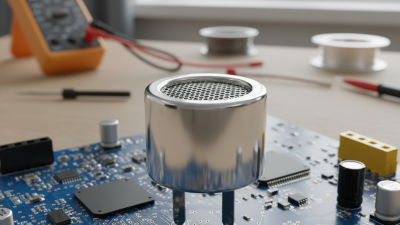
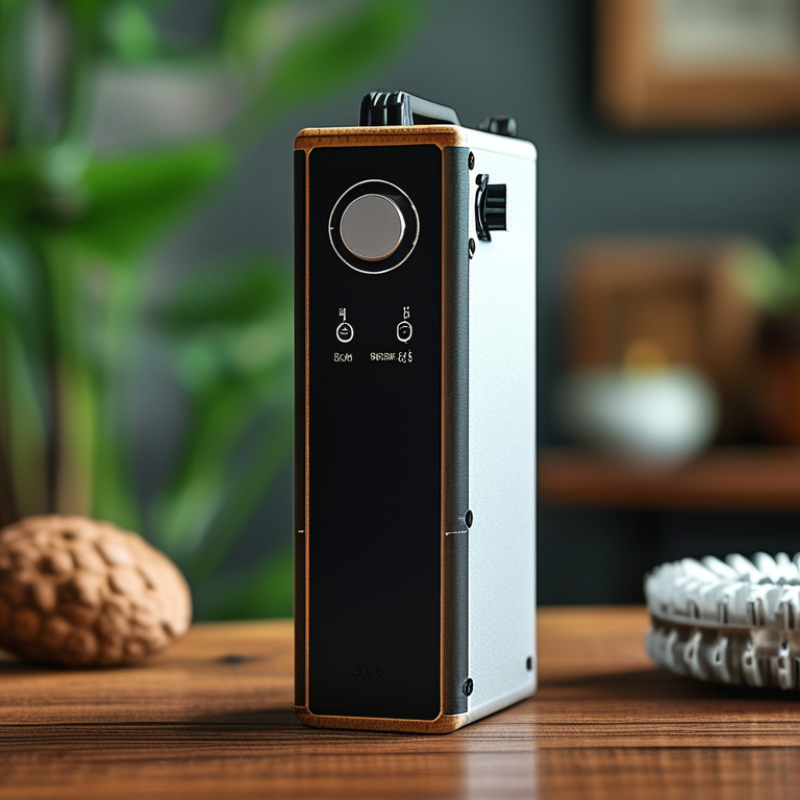
Piezo buzzers are crucial components in various electronic devices. Understanding their types and mechanisms can enhance product selection. These buzzers produce sound by converting electrical energy into mechanical energy. They come in two main types: active and passive. Active piezo buzzers have built-in oscillators. They require a DC voltage to operate and generate sound waves directly. These buzzers are user-friendly, as they need minimal external circuitry.
In contrast, passive piezo buzzers rely on an external signal for sound. They require a waveform to generate audible sounds. This flexibility allows for more complex sound patterns but comes at the cost of requiring additional electronic components. Users must consider their project's needs. The choice between active and passive types hinges on complexity versus simplicity.
Understanding these mechanisms can guide buyers in making informed decisions. However, the technical details can sometimes overwhelm, leading to poor choices. Additional research is vital to ensure compatibility with specific projects. Even experienced buyers can benefit from revisiting fundamental principles. Each application might reveal unique challenges and requirements.
2026 Best Active Piezo Buzzer Comparison
Key Features to Look for When Buying Active Piezo Buzzers
When selecting an active piezo buzzer, key features greatly influence performance. Pay attention to sound output. Different buzzers produce varying decibel levels. Higher decibels mean louder sounds, which could be crucial in noisy environments. Test buzzers in similar settings to your intended use to gauge their effectiveness.
Frequency range is another important consideration. Active piezo buzzers operate within specific frequencies. Check the specifications for the operating range. A wider frequency range may offer more versatility. However, the clarity of sound is often more vital than the range itself. Listen closely to different models to find the right fit for your needs.
Durability matters as well. Consider the environment where the buzzer will be used. Some models are designed for harsh conditions, while others may not withstand such elements. Reflect on potential usage scenarios to avoid regrettable choices. Ensuring a buzzer’s longevity can save you from frequent replacements. Examine other people's experiences and reviews for insights into longevity and reliability.
2026 Best Active Piezo Buzzer Buying Guide for Global Buyers
| Feature |
Description |
Importance |
| Operating Voltage |
Typically operates between 3V to 24V. |
Essential for compatibility with power supply. |
| Sound Level |
Measured in decibels (dB) - indicates loudness. |
Higher dB means a louder output, crucial for alerts. |
| Response Frequency |
Common ranges from 2 kHz to 4 kHz. |
Impacts sound clarity and detection of pitches. |
| Dimensions |
Varied sizes; common ones are 12mm, 16mm. |
Ensure fit in design or application. |
| Operating Temperature |
Typically from -20°C to 70°C. |
Important for outdoor or harsh environments. |
| Mounting Type |
PCB mount or wire lead. |
Determines installation method suitability. |
| Power Consumption |
Varies, generally low power usage. |
Critical for battery-operated devices. |
Comparing Top Brands: Market Leaders in Piezo Buzzers
When it comes to piezo buzzers, the market is filled with various brands. Each brand claims to offer something unique. However, analyzing their specifications can reveal differences. Look closely at sound output, power consumption, and durability. These factors greatly impact performance in real-world applications.
Many buyers focus on price alone. This can lead to regrets later. A cheaper buzzer might compromise sound quality or longevity. Finding the right balance is crucial. Comparing customer reviews can provide insights into long-term reliability. Experienced users discuss issues like distortion at high frequencies or failures after short usage periods.
In today's world, versatility is essential. Some buzzers work in different environments, from automotive to home appliances. The ability to withstand temperature variations matters. Testing a few models before making a decision is wise. This hands-on experience helps identify which brand truly meets your needs.
Guidelines for Selecting the Right Buzzer for Specific Applications
When selecting an active piezo buzzer, the specific application is critical. Different applications require certain characteristics in buzzers. For example, alarms must be loud and piercing. Reports indicate that the typical decibel level for alerts is between 80-100 dB. This range ensures that they can effectively grab attention in emergencies.
Consider the operating voltage as well. Most piezo buzzers work between 3V to 24V. A mismatch can lead to failure or suboptimal performance. The selection might impact the durability and lifespan of the buzzer. According to industry studies, the average lifespan of piezo buzzers can reach up to 30,000 hours. However, improper voltage can significantly reduce this figure.
It's also essential to think about design and aesthetics, especially in consumer products. A buzzer's size and shape can influence the overall product design. Reports show that miniaturization trends are increasingly impacting electronic components, including piezo buzzers. This trend challenges manufacturers to maintain performance while reducing size. Failing to achieve the right balance can lead to functionality issues. Understanding these parameters can refine your buzzer selection process.
Consumer Reviews: Insights from Global Buyers on Piezo Buzzers
Consumer reviews play a crucial role in helping buyers navigate the complex world of piezo buzzers. According to a recent report by MarketsandMarkets, the global piezoelectric components market is projected to reach $38.2 billion by 2026, driven by increasing demand in consumer electronics and automotive industries. This staggering growth amplifies the need for prospective buyers to rely on authentic feedback from global users.
Insights from these reviews reveal critical factors influencing purchasing decisions. Many users emphasize the importance of sound quality and durability. High-performance buzzers often produce clearer tones and have longer lifespans. Interestingly, some consumers point out that many products in the market fail to meet their longevity expectations, prompting them to share reflections on their experiences. This candid feedback makes it clear that not all options live up to advertised claims.
Furthermore, factors like size and ease of integration are frequently highlighted in reviews. Designers often seek components that can fit into compact spaces without sacrificing performance. User experiences underscore how certain buzzers can complicate projects due to unexpected size or mounting challenges. Thus, while industry reports indicate strong growth, real-world feedback underscores areas where product development can significantly improve.