China Top 10 Piezo Disc Transducer Manufacturers?
Piezo Disc Transducer components convert electrical signals into vibration or sound, and their performance depends on more than disc size. Ceramic formulation, electrode quality, resonance frequency, capacitance, and mounting method can all affect the result. A small disc bonded firmly to a metal panel may behave differently from the same disc installed in a plastic housing. Details matter.
This guide introduces ten manufacturers in China for buyers comparing piezoelectric discs and related transducers. It considers practical factors such as product range, customization options, technical documentation, sample availability, and communication during specification reviews. Buyers should also check dimensions, operating conditions, tolerances, and test data against their own application. A datasheet is a starting point, not proof that a component will suit every design.
Rankings need caution. A neat top-ten list can hide differences in product focus, production capacity, and service quality. Company catalogs and capabilities may change, and claims should be confirmed directly with each supplier. Request current specifications and, where appropriate, evaluate samples under real operating conditions. Look closely at the details. This overview is intended as a practical starting point, not an endorsement or a substitute for technical qualification. Some comparisons remain imperfect; reliable decisions often require asking one more question.
Piezo Disc Transducers: Core Designs and Applications
Piezo Disc Transducers: Core Designs and Applications
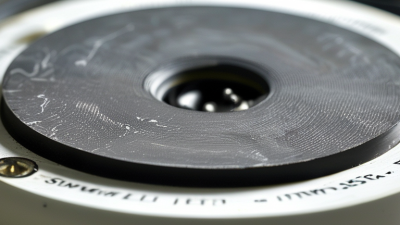
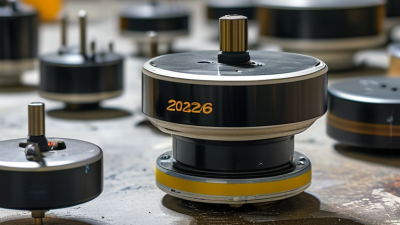
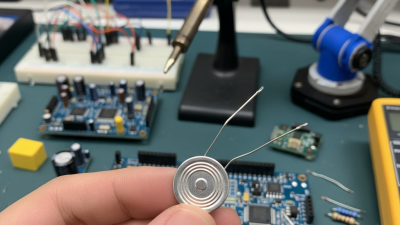
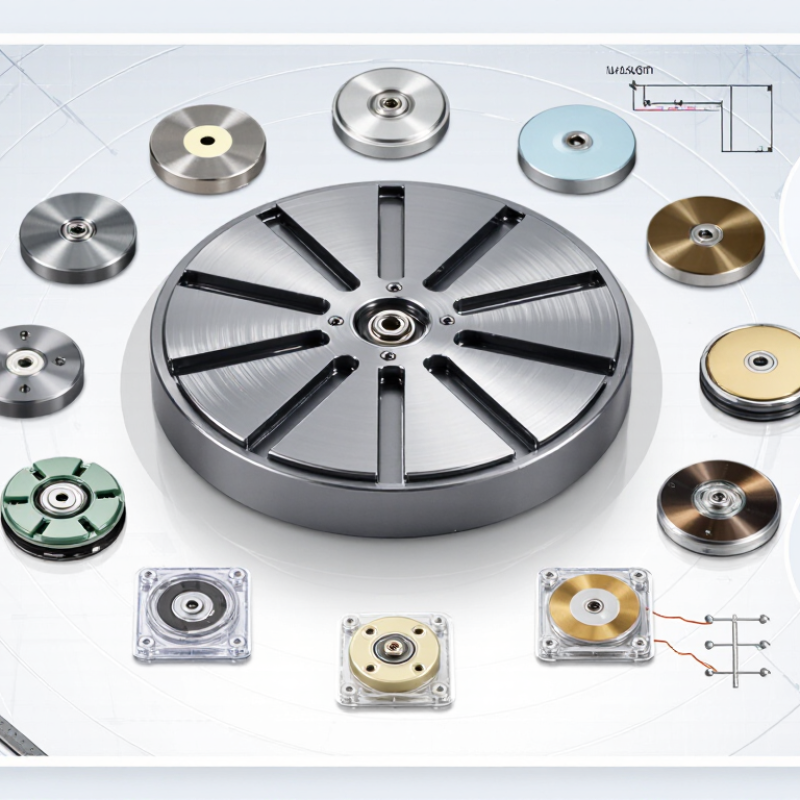
A piezo disc transducer commonly combines a thin piezoceramic layer with a brass or steel diaphragm. Electrodes on the ceramic carry the drive signal. When voltage changes, the ceramic flexes and moves the diaphragm, producing sound or vibration. At resonance, output can rise sharply. Disc diameter, ceramic thickness, bonding, and mounting all affect performance. Even a small change in the fixture can shift the sound.
Tips: Check the disc’s resonant frequency and rated drive conditions. Clamp it consistently, then measure output in the actual housing. A free disc may behave differently.
These transducers appear in compact buzzers, alarms, vibration sensors, and some ultrasonic assemblies. A small alarm may use a disc to create a clear tone with little space or power. Sensor designs can instead detect vibration through the same piezoelectric effect. Not every disc suits every task: audible sounders and ultrasonic parts have different frequency needs. Selection should consider the enclosure, mounting method, and operating environment, not just diameter. Bench measurements help, but they do not always predict performance after installation. That gap deserves attention.
Piezo Disc Transducer: Idealized 40 kHz Output Waveform
This idealized waveform shows four cycles of a 40 kHz signal, a frequency commonly used in ultrasonic transducer applications. Amplitude is normalized; actual output depends on the disc design, mounting, and drive conditions.
Criteria for Evaluating Chinese Transducer Manufacturers
When comparing Chinese piezo disc transducer manufacturers, look beyond catalog prices and stated frequency ranges. Check the ceramic material, disc dimensions, electrode finish, lead attachment, and bonding method. These details can affect resonance, sensitivity, and long-term stability. Ask for tolerance data on resonance frequency and capacitance, not just typical values. Small details matter.
Request sample measurements and batch-level inspection records. Confirm how the supplier tests impedance, output, and performance across operating temperatures. Clear reports should identify test conditions and instruments; otherwise, figures may be difficult to compare.
Review production controls, material traceability, defect handling, and change-notification practices. A polished datasheet is not proof. It is only a starting point, and I would verify key claims with samples before approving a design. Communication matters too: precise answers to technical questions are more useful than broad assurances.
Tips:
Send a drawing and target operating conditions with your inquiry. Compare samples using the same fixture and test settings. Keep one approved sample as a reference.
Profiles of 10 Leading Piezo Disc Transducer Manufacturers in China
China’s piezo disc transducer manufacturers serve applications ranging from alarms to ultrasonic sensing. A useful profile of ten leading suppliers should compare more than production volume. Examine ceramic formulation, disc diameter, resonant frequency, electrode finish, and stated tolerance. Ask whether samples are tested under specified temperature and humidity conditions. Those details matter when a disc must fit a compact housing or produce a stable tone.
Profiles should also distinguish manufacturers focused on standard parts from those offering custom dimensions or assembly support. The global context is growing: Fortune Business Insights estimated the piezoelectric devices market at USD 30.83 billion in 2023. This figure covers a broader market, not China-made piezo discs alone. It signals demand, but cannot verify any individual supplier’s capacity or quality. A ranking without test records can mislead. That deserves caution.
Tips: Request a dated datasheet and sample measurements. Compare capacitance and resonance results across several pieces, not just one. Small variations can matter. Ask how defects are tracked between production batches; a polished sample is not proof of consistent output.
Product Capabilities, Quality Standards, and Customization
When comparing piezo disc transducer manufacturers, look beyond advertised sound output.
A disc’s performance depends on ceramic size, metal backing, resonance, and how it is mounted. Even a small adhesive change can shift its response. Ask for frequency and impedance data under clearly stated test conditions. Numbers without a method are hard to compare.
Quality checks should cover capacitance, resonance, visual defects, and repeatability across production batches. For demanding applications, ask how samples are tested after temperature or vibration exposure. Customization may include disc diameter, electrode pattern, wire length, connector, and protective housing. Share the intended drive voltage and mounting space early; they affect design choices. Small details matter. A standard disc may work well, but not always.
One limitation is that a custom resonance target can reduce output elsewhere, so request measured curves rather than promises. Manufacturers that explain these trade-offs and provide traceable inspection records are easier to assess reliably.
How to Compare Manufacturers and Select a Supplier
Comparing piezo disc transducer manufacturers starts with matching the part to its actual job. Record the disc diameter, thickness, operating frequency, capacitance, and required sound pressure or vibration level. Then check how each supplier defines these figures. Test conditions matter. A resonance value measured without the intended mounting method may not match performance inside your finished product. Ask for tolerance ranges, recommended drive voltage, temperature limits, and details about electrode and backing materials. A neat datasheet helps, but it cannot answer everything.
Request samples from shortlisted manufacturers and test them in your own housing, adhesive, and circuit. Listen for output changes, and measure frequency and current across several units—not just one. Small differences can become noticeable in production. Ask how incoming materials are checked, how batches are identified, and what happens when a lot falls outside specification. Review sample availability, production capacity, packaging, and realistic lead times too. A low unit price may not help if delivery dates keep moving. I would also ask for a written specification before ordering. It sounds basic. It is easy to overlook. Supplier answers should be specific enough to verify, though not every factory will share the same level of process detail. That gap deserves a follow-up question.