How to Choose the Best Piezo Ceramic Disc for Your Needs?
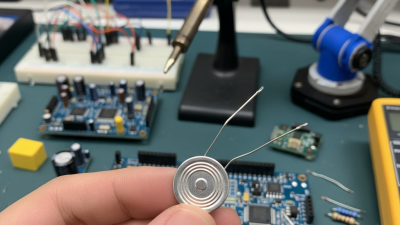
When selecting a Piezo Ceramic Disc, there are key factors to consider. These components are essential in various applications, from sensors to actuators. Their role in converting electrical energy into mechanical energy—and vice versa—shows their versatility and importance.
Understanding your specific needs is crucial. For instance, frequency response, size, and material type can greatly influence performance. Not all Piezo Ceramic Discs are created equal. Each application might require a distinct set of properties. This complexity can overwhelm those unfamiliar with the technology.
Moreover, not every supplier guarantees high-quality products. Researching manufacturers can enhance reliability. User reviews and expert opinions can provide valuable insights. By carefully evaluating these aspects, you can make an informed decision. Choosing the right Piezo Ceramic Disc leads to improved performance in your application, but it requires thoughtful consideration.
Understanding Piezo Ceramic Discs: An Overview of Applications
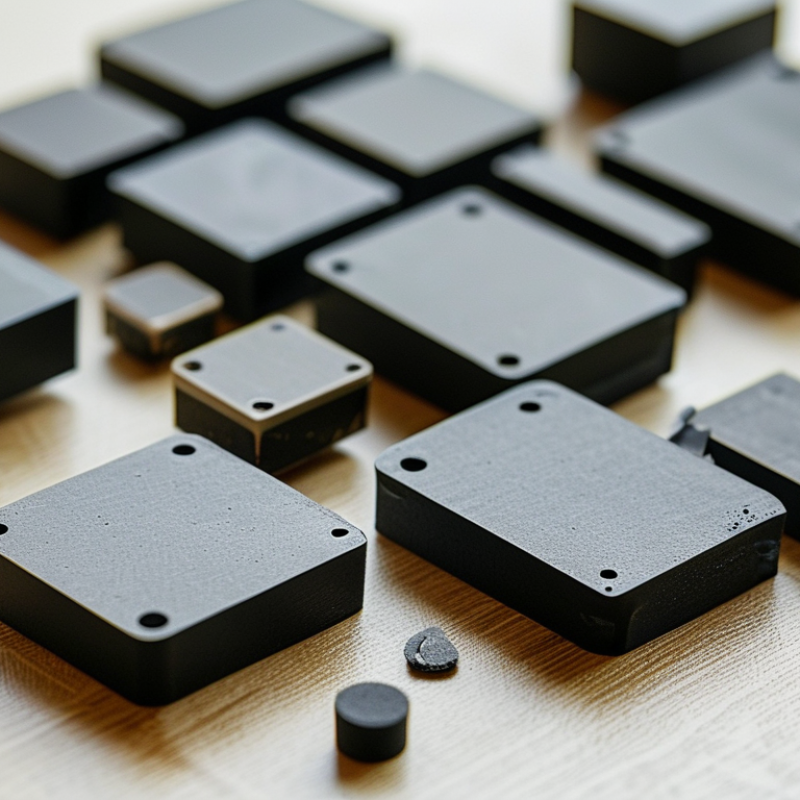
Piezo ceramic discs are versatile components used in various applications. They convert mechanical energy into electrical energy and vice versa. This property allows them to function as sensors, actuators, and transducers. In industrial settings, they find use in ultrasonic cleaning and precision measurement. In medical fields, these discs are crucial for ultrasound imaging. Understanding their specific applications is essential for selecting the right disc.
Applications can vary widely. In consumer electronics, piezo discs power tiny speakers in devices. In automotive systems, they assist in airbag deployment sensors. Each application demands different specifications, such as sensitivity and frequency range. Sometimes, users fail to consider the environmental conditions where the device will operate. This oversight can lead to poor performance and short lifespan. Proper understanding of your needs is vital for optimal results.
Choose a piezo ceramic disc based on its intended use and mounting method. Common options include surface mount and through-hole types. Each type has unique characteristics affecting installation and performance. Evaluating these aspects will enhance reliability in your application. However, without adequate research, it's easy to make the wrong choice. Engaging with experts or reviewing technical resources can provide valuable insights.
Key Specifications to Consider When Selecting Piezo Ceramic Discs
When selecting a piezo ceramic disc, understanding key specifications is vital. Start with the resonant frequency. This determines how the disc vibrates in response to electrical signals. Matching the resonant frequency to your application ensures better performance.
Consider the size and thickness of the disc. These dimensions significantly influence the output voltage and sensitivity. A thicker disc may produce a higher voltage but can be less sensitive. Finding the right balance is crucial for optimal usage.
Tips: Always check the operating temperature range. A disc that can withstand high temperatures is essential for environments with fluctuating conditions. Also, examine the mechanical quality factor. A higher value indicates better performance in precision applications, yet can lead to challenges in other scenarios.
Evaluate your project's specific needs. Your choice of material and dimensions should reflect the intended application. Don’t rush this step. Experimentation might reveal unexpected insights that guide better decisions. A carefully chosen piezo ceramic disc can enhance your project's overall effectiveness.
Material Properties and Their Impact on Performance and Durability
When selecting a piezo ceramic disc, the material properties play a critical role. These properties include density, elasticity, and dielectric strength. Each of these factors affects the disc's overall performance and durability. For instance, a disc with high density might provide better mechanical stability, while good elasticity can enhance its responsiveness to electrical signals.
Tips: Always consider the operating environment. Changes in temperature or humidity can alter a material's properties.
Choosing the right composition is essential. For example, lead zirconate titanate (PZT) is commonly favored for its excellent piezoelectric response but may pose environmental concerns. An alternative, a polymer-based ceramic, might offer flexibility but may not withstand high temperatures.
Tips: Compare various materials based on your project requirements. Testing samples can help identify the most suitable option. Also, pay attention to manufacturing tolerances. Variations can impact your application's success.
Comparing Different Types of Piezo Ceramic Discs for Specific Uses
When choosing a piezo ceramic disc, understanding the specifics is crucial. Different types of discs serve various purposes. For instance, some are tailored for sensors, while others excel in actuators. According to recent industry reports, the resonant frequency and sensitivity can vary significantly among types, influencing their performance in real-world applications.
For sensors, look for discs with high sensitivity and a broad frequency range. These features enhance response times and accuracy. Conversely, for actuators, prioritize discs that demonstrate robust displacement capability. A study revealed that certain piezo materials can achieve up to 1.5 mm of displacement, which can be vital in precision applications.
Tip: Always evaluate the operating environment. Temperature fluctuations may impact performance. It's crucial to select a piezo ceramic disc that maintains stability across the required temperature range.
Notably, the marketing hype can mislead users. Often, better performance comes from obscure suppliers rather than well-known brands. Thus, performing due diligence is vital. Check technical specifications, not just claims, to ensure that the disc meets your application needs.
Tips for Sourcing Quality Piezo Ceramic Discs: What to Look For
When sourcing piezo ceramic discs, quality is paramount. These small components play a crucial role in various applications, from sensors to actuators. In 2021, the global piezoelectric ceramics market was valued at approximately $1.3 billion, indicating the growing demand for high-performance materials. You want to ensure that the discs you choose can meet your specific requirements.
Consider the frequency response of the piezoelectric disc. Different applications require different frequency ranges. A high-frequency response may be necessary for medical imaging devices, while lower frequencies might suit industrial applications better. Testing the performance parameters can save you from future headaches.
Tip: Always check the manufacturer's certification. ISO 9001 certification can indicate a reliable quality management system. Look for product datasheets too. They provide essential information about mechanical properties and performance. Understanding these details helps you make informed decisions. Don't hesitate to ask for samples to evaluate their performance. Balancing cost and quality is an ongoing challenge. It's worth investing time in research.