What is a Micro Piezo Actuator and How Does It Work?
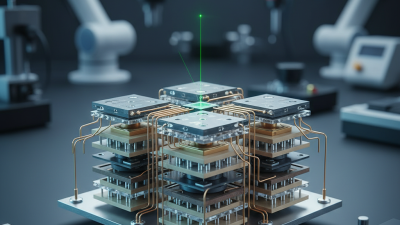
Micro Piezo Actuators are innovative devices that play a crucial role in precision movement applications. These compact actuators harness the piezoelectric effect to convert electrical energy into mechanical motion. Understanding their functionality reveals the blend of advanced engineering and material science.
In various sectors, from robotics to medical devices, Micro Piezo Actuators are invaluable. They can achieve precise movements with minimal power consumption. This quality makes them ideal for applications needing fine adjustments. However, not every design fully addresses the challenges faced in real-world applications.
Micro Piezo Actuators have potential limitations, such as response time and load handling. These factors require careful consideration during implementation. Engineers continue to explore ways to enhance their performance. This exploration is vital for maintaining reliability and efficiency across different uses, ensuring that Micro Piezo Actuators remain essential tools in modern technology.

What Is a Micro Piezo Actuator? An Overview of Its Definition and Applications
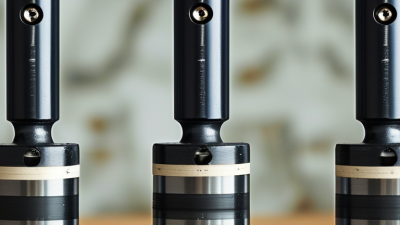
Micro piezo actuators are fascinating devices that use piezoelectric materials to create precise movements. These actuators convert electrical energy into mechanical energy, allowing for small, accurate adjustments. Their compact size makes them ideal for applications in fields like optics, robotics, and biomedical devices. They can operate at high speeds and provide exceptional precision, making them valuable in systems requiring fine control.
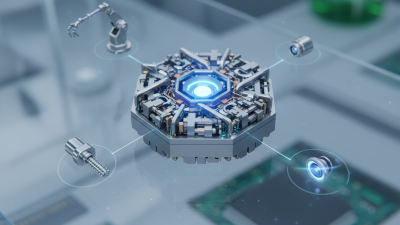
Applications of micro piezo actuators are extensive. For example, in optical systems, they can adjust lens positions with extreme accuracy. In the robotics field, they enhance joint movements, allowing for smoother operations. In medical equipment, these actuators enable precise control of instruments. The versatility of micro piezo actuators is one of their main advantages.
When selecting a micro piezo actuator, consider the specific requirements of your project. Ensure the actuator's range and speed meet your needs. Don't overlook maintenance requirements; even reliable devices need occasional checks. Performance can vary based on the environment, so testing under real conditions is essential. Understanding these factors can greatly enhance your project's success.
The Operating Principle: How Micro Piezo Actuators Convert Electrical Energy to Motion
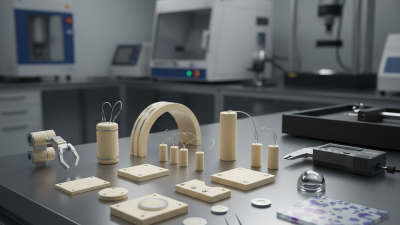
Micro piezo actuators are compact devices that utilize piezoelectric materials. These materials change shape when exposed to an electric field, enabling precise movement. The ability to convert electrical energy into motion makes them invaluable in various applications, from medical devices to aerospace engineering. Research values the global market for piezoelectric actuators at over $3 billion by 2025, highlighting their significance and demand.
The operating principle of micro piezo actuators is rooted in the properties of piezoelectricity. When voltage is applied, piezoelectric materials deform, leading to movement. This deformation can be controlled with great accuracy, allowing for nanometer-level precision. Studies indicate that these actuators can achieve displacements of up to 100 micrometers at high speeds, underscoring their effectiveness.
Despite their advantages, there are challenges. Thermal stability can affect performance, leading to potential inaccuracies. Ongoing research aims to mitigate these issues, as reliability is crucial in sensitive applications. Understanding these dynamics is essential for engineers and developers focused on optimizing actuator performance.
Key Advantages of Micro Piezo Actuators in Precision Engineering Industries
Micro piezo actuators are increasingly vital in precision engineering. Their compact size and high precision make them suitable for applications such as micro-manipulation and optical alignment. According to industry research, micro piezo actuators can achieve movement precision of up to 10 nanometers, which is crucial in fields that require extreme accuracy.
One key advantage lies in their rapid response times. These actuators can switch on and off in just a fraction of a millisecond. This fast response supports high-resolution imaging systems and advanced robotics. In some applications, they can provide forces up to 100 Newtons, despite their small size. The energy efficiency of micro piezo actuators also stands out; they consume less power compared to traditional electric motors.
Despite these benefits, challenges remain. The sensitivity of materials used can lead to performance variability under different environmental conditions. Additionally, the manufacturing process can be complex, impacting unit consistency and potential costs. Industries must weigh these factors carefully. Continuous research and development aim to address these issues, ensuring the reliability of micro piezo actuators in precision engineering applications.
Performance Metrics: Displacement, Speed, and Force Specifications in Applications
Micro piezo actuators play a crucial role in various applications, particularly in terms of performance metrics. Displacement is one key aspect. These devices can achieve precise movements in very small increments, often measured in microns. This high level of precision is critical in fields like robotics and medical devices, where exact positioning is essential.
Another important metric is speed. Micro piezo actuators can respond almost instantaneously. This rapid response time enables high-frequency operation, necessary for tasks like laser beam steering or adaptive optics. However, achieving this speed may come with trade-offs in terms of stability and control, which must be carefully managed during design.
Lastly, force specifications are vital for assessing actuator performance. While micro piezo actuators can generate sufficient force for light loads, they may not be suitable for heavier applications. Understanding this limitation is crucial when selecting the right actuator for a specific task. The right balance between displacement, speed, and force can lead to improved efficiency and functionality in various applications, but it requires thorough analysis and testing.
Real-World Applications: From Optical Systems to Medical Devices Using Micro Actuators
Micro piezo actuators hold significant promise across various fields. In optical systems, they enable precise positioning, crucial for laser alignment or image stabilization. For instance, in cameras, they adjust lenses swiftly, enhancing focus accuracy. In medical devices, these actuators facilitate miniaturization, allowing tools like surgical robots to achieve fine motor control. This precision is vital in delicate procedures, minimizing risks to patients.
In robotics, micro actuators are revolutionizing motion control. They contribute to advanced prosthetics, giving users better dexterity. However, incorporating these actuators can be complex. Engineers must consider factors like power consumption and heat generation. These aspects greatly influence design choices, making research essential.
Always evaluate the size, weight, and power of actuators for their intended use. Conduct thorough testing to ensure reliability under varying conditions. Remember, while micro actuators can greatly enhance functionality, each application presents unique challenges that require careful consideration. Striving for improvement while acknowledging limitations can lead to more innovative solutions.
What is a Micro Piezo Actuator and How Does It Work? - Real-World Applications: From Optical Systems to Medical Devices Using Micro Actuators
| Application Area |
Description |
Advantages |
Typical Usage |
| Optical Systems |
Micro piezo actuators are used for precision focusing in cameras and microscopes. |
High precision, rapid response time, and compact size. |
High-end cameras and scientific instruments. |
| Medical Devices |
Used in surgical devices for controlled movements and positioning. |
Enhanced control and accuracy, essential for delicate procedures. |
Robotic surgical instruments and diagnostic devices. |
| Consumer Electronics |
Integration in smartphones for camera autofocus and screen haptic responses. |
Compact design and energy efficiency. |
Smartphones and tablets. |
| Aerospace |
Utilized in satellite systems for antenna positioning. |
Reliable performance under extreme conditions. |
Satellite communication devices. |
| Industrial Automation |
Enables precise control of machinery and assembly lines. |
Increased productivity and reduced errors. |
Robotic arms and assembly machines. |