What is Piezo Ceramic Disc and How Does It Work?
Piezo Ceramic Disc is a fascinating technology that bridges the gap between the electrical and mechanical worlds. It utilizes the piezoelectric effect, where certain materials generate an electric charge in response to applied mechanical stress. This phenomenon allows Piezo Ceramic Discs to convert sound waves, vibrations, or pressure into electrical signals. The applications are wide-ranging, from speakers and microphones to sensors and actuators.
Understanding how a Piezo Ceramic Disc works requires an appreciation of its structure and properties. Typically made from a ceramic material, it has specific characteristics that enable its unique functionalities. When exposed to pressure, the internal arrangement of the material alters, creating an electrical output. This process highlights the efficiency and reliability of Piezo Ceramic Discs in various industrial and consumer products.
Despite their many advantages, challenges exist. Not every application can benefit from Piezo Ceramic technology. Factors like temperature sensitivity and durability must be considered. Yet, the potential of Piezo Ceramic Discs remains significant. As technology advances, these components may see increased integration in innovative devices, pushing the boundaries of what is possible in modern engineering.

What is a Piezo Ceramic Disc?
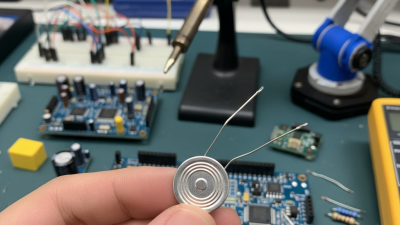
A piezo ceramic disc is a small, round device made from piezoelectric materials. These materials generate an electrical charge when mechanically stressed. The discs convert mechanical energy into electrical energy and vice versa. They are widely used in various applications, such as sensors, speakers, and actuators.
Understanding how a piezo ceramic disc functions requires some background knowledge. When pressure is applied, the internal structure of the ceramic shifts, creating an electric charge. This ability makes them valuable for creating sound in speakers or generating vibration for haptic feedback in devices. Installation and alignment are crucial to their performance. Misalignment can lead to suboptimal functioning.
When using piezo ceramic discs, consider their sensitivity. Too much force can damage them. It is essential to apply the right amount of pressure. Regular checks on the devices using these discs can prevent malfunctioning over time. Ensuring a clean environment will enhance longevity. Incorrect handling might lead to unexpected outcomes. Users must approach with caution and ongoing assessment.
Principles of Piezoelectric Effect in Ceramics
Piezoelectric ceramics are fascinating materials that generate an electric charge in response to mechanical stress. The core of their functionality lies in the principles of the piezoelectric effect. This phenomenon occurs in certain crystalline materials, where an applied force induces a displacement of charge within the crystal lattice. As a result, an electric field is produced, allowing these ceramics to convert mechanical energy into electrical energy efficiently.
Industry reports reveal that the global piezoelectric ceramics market was valued at approximately 1.5 billion USD in 2022. This sector is projected to experience a compound annual growth rate (CAGR) of over 7% through 2030. Such growth highlights the increasing demand for piezoelectric materials in applications ranging from medical devices to consumer electronics. Their lightweight nature and durability make them reliable choices in these innovative technologies.
When working with piezo ceramic discs, consider their limitations. Environmental factors like temperature and humidity can affect performance. Always evaluate the application needs and adjust accordingly to maintain efficiency. Choosing materials based on specific performance requirements leads to better results. Understanding the intricate balance between mechanical stress and electric output is key to harnessing the potential of piezoelectric ceramics.
Applications of Piezo Ceramic Discs in Technology
Piezo ceramic discs are widely used in various technologies because of their unique properties. These discs convert electrical energy into mechanical energy. They can also work the other way around. This versatility makes them essential components in many devices.
One significant application is in ultrasonic cleaning devices. These machines use piezo ceramic discs to generate high-frequency sound waves. The waves create microscopic bubbles that help remove dirt from objects submerged in a cleaning solution. This process can be delicate for items like jewelry or lenses.
In medical technology, piezo ceramic discs play a crucial role. They are used in ultrasound imaging. The discs emit sound waves that create images of internal body structures. This non-invasive method provides valuable diagnostic information.
When using piezo ceramics in projects, consider their limitations. Different materials can affect their performance. Additionally, the design of the application should account for the environment. Extreme temperatures or humidity levels may impact their functioning.
One important point is to ensure proper orientation. Misalignment can lead to reduced efficiency. Regular testing and calibration might be necessary to maintain optimal performance. By understanding their applications and constraints, one can leverage the full potential of piezo ceramic technology.
Manufacturing Process of Piezo Ceramic Discs
The manufacturing of piezo ceramic discs involves a meticulous process that requires both precision and expertise. It starts with the selection of raw materials, typically a blend of lead zirconate titanate (PZT) powders. These powders are mixed with additives to enhance their properties. The mixture is then processed into a slurry before being shaped into discs using a pressing method. This step demands careful handling to ensure uniform density.
After shaping, the discs undergo a drying phase. This process is crucial as it removes moisture to prevent cracking during the next stage. The dried discs are then fired in a kiln at high temperatures. This sintering process solidifies the material, improving its electrical and mechanical properties. However, achieving the right firing temperature is challenging; too high may lead to deformation.
Proper quality control measures are essential throughout manufacturing. Small imperfections can lead to significant failures in piezo ceramic performance. Testing for piezoelectric properties should be conducted regularly, but variations might still occur.
When working with piezo ceramics, remember that environment plays a role. Store the materials in a controlled atmosphere. This helps maintain moisture levels and can prevent unwanted reactions. Also, regularly calibrate your equipment to ensure accuracy.
Advantages and Limitations of Using Piezo Ceramic Discs
Piezo ceramic discs are versatile components that convert mechanical energy into electrical energy. Their applications span across a wide range of fields, including sensors, actuators, and ultrasonic transducers. However, while they offer unique advantages, there are also notable limitations to consider. According to industry reports, the global piezoelectric devices market is projected to reach $26 billion by 2025, highlighting their increasing relevance.
One major advantage of piezo ceramic discs is their high sensitivity. They can detect even minute vibrations, making them ideal for precision applications. Additionally, their compact size and ability to operate under extreme conditions enhance their appeal in various industries. Reports show that these discs can function effectively in temperatures ranging from -40°C to 200°C. However, they are not without drawbacks. Their brittle nature can lead to mechanical failures under stress. Furthermore, inconsistent manufacturing processes may result in variations in performance, which can impact reliability.
The energy conversion efficiency of piezo ceramics can also pose challenges. Although they are effective, the energy harvested from ambient vibrations is often limited. This means they may not always be the best choice for applications requiring high energy outputs. Researchers continue to explore solutions to improve efficiency and durability, indicating that while piezo ceramic discs are promising, they still need refinement for broader applications.