Ultimate Tips for Choosing the Best Piezo Fan for Your Needs?
When choosing a Piezo Fan, the right decision can significantly alter performance. Dr. Emily Carter, a recognized expert in thermal management technology, emphasizes, "Selecting the perfect Piezo Fan is crucial for systems requiring precision cooling." With increasing demand for efficient cooling solutions, understanding the nuances of Piezo Fans is essential.
A Piezo Fan operates uniquely by utilizing piezoelectric materials. These fans are compact and efficient, ideal for applications where space and power are limited. They offer precise airflow control, but choosing the wrong one can lead to inadequate cooling. It's essential to examine size, power consumption, and flow rates to make an informed choice.
Yet, many users overlook critical specifications, leading to performance issues. Inconsistent quality across brands can add to the confusion. Therefore, gaining deeper insights and expert advice is vital. As technology advances, the market for Piezo Fans continues to evolve, making it necessary to stay updated on trends and innovations.
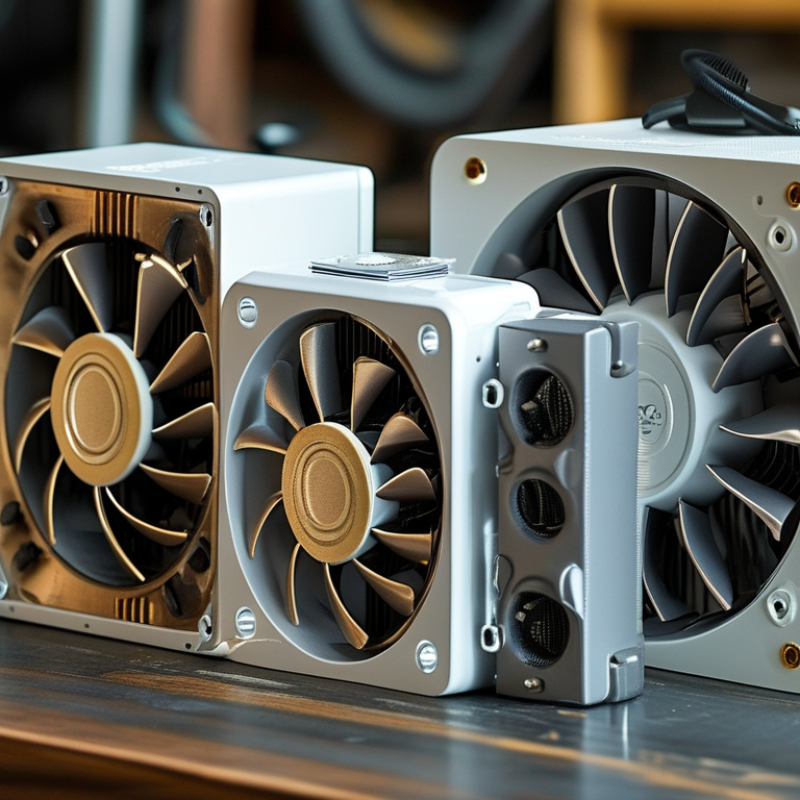
Understanding Piezo Fans: What They Are and How They Work
Piezo fans are innovative cooling devices that utilize piezoelectric technology. This technology converts electrical energy into mechanical vibrations. When electricity flows through piezo elements, they create rapid movements. These movements generate airflow, effectively cooling electronic components. The simplicity of their design leads to additional advantages, including reduced size, weight, and power consumption. Industry reports indicate that piezo fans consume up to 40% less energy than traditional fans.
Understanding how piezo fans work can aid in effective application. They operate silently, creating minimal noise, which benefits settings that require quiet operation. According to research from various engineering departments, these fans maintain airflow stability at much lower power levels compared to conventional fans. The effectiveness of piezo fans depends largely on their ability to harness precise oscillations. This precision can lead to improved thermal management in high-performance electronics.
However, piezo fans are not perfect. Some users report variability in airflow under fluctuating temperatures. Reliability can be an issue when used outside their specified operating conditions. Furthermore, there is a learning curve related to optimal usage. Proper integration with systems may require additional adjustments. Understanding these nuances ensures more effective cooling solutions.
Key Features to Consider When Selecting a Piezo Fan
When selecting a piezo fan, consider its size and form factor. A compact fan can fit into tight spaces, making it ideal for various applications. Measure the dimensions carefully to ensure a proper fit. Weight is another factor; a lightweight fan is easier to install and transport. Both factors greatly impact usability.
Fan speed and airflow effectiveness are crucial features to evaluate. Look for specifications that indicate the maximum airflow rate. This is often measured in cubic feet per minute (CFM). Conducting an airflow test under real conditions may reveal performance discrepancies. A fan with adjustable speeds may offer better energy efficiency and control.
Noise level and durability also matter. Although piezo fans are generally quiet, some can be louder at specific speeds. Consider using sound level ratings as a guide. Durability is about materials and construction quality. Higher-quality components may prevent frequent replacements. Ultimately, consider these core features to find a piezo fan that suits your specific requirements.
Assessing the Performance and Efficiency of Piezo Fans
When selecting a piezo fan, performance and efficiency are key factors to consider. Piezo fans use piezoelectric materials to create airflow. They are potent and especially useful in applications requiring compact designs. Knowing the airflow rate can help determine if it meets your needs. Look for specifications that detail airflow measured in cubic feet per minute (CFM).
One crucial aspect is power consumption. A fan may perform well but use excessive energy. Look for a balance between performance and energy usage. Consider how much energy the fan will consume over its lifespan. Some models might seem cost-effective initially, but high power usage can lead to higher bills. The overall design should also factor into your decision.
Be mindful of noise levels as well. Some piezo fans produce more sound than others. This can be vital in quiet environments. Check user reviews to gauge real-world experiences. Experimenting with multiple fans might help you find the right fit. Not every model will meet your expectations right away. Adjusting settings and configurations can lead to better performance.
Ultimate Tips for Choosing the Best Piezo Fan for Your Needs
| Model |
Airflow (CFM) |
Power Consumption (W) |
Size (mm) |
Noise Level (dB) |
Efficiency Rating |
| Model A |
50 |
5 |
120 x 120 |
30 |
A+ |
| Model B |
75 |
8 |
140 x 140 |
35 |
A |
| Model C |
100 |
10 |
160 x 160 |
40 |
A++ |
| Model D |
60 |
6 |
120 x 80 |
32 |
B+ |
Comparing Different Types of Piezo Fans for Specific Applications
When selecting a piezo fan, it's essential to consider its application. Different types of piezo fans offer various benefits depending on their design and intended use. For example, ultrasonic piezo fans are efficient in cooling electronic components, especially in compact spaces. They operate at higher frequencies, which allows for precise airflow control. According to a recent industry report, ultrasonic piezo technology can improve thermal management by up to 30% compared to traditional fans.
In contrast, vibration-based piezo fans excel in applications that require low noise. They generate airflow through vibration without the mechanical noise typical of standard fans. This makes them ideal for sensitive environments, such as medical devices or laboratories. However, their lower airflow capacity can be a concern, limiting their use in larger equipment. A study indicated that while these fans reduce sound levels by approximately 15 dBA, they may struggle to maintain effective cooling in high-demand scenarios.
Lastly, consider energy consumption and longevity. High-quality piezo fans are energy-efficient, with some models consuming up to 50% less power than conventional fans. However, durability is also a factor. Some piezo materials may degrade faster under continuous stress. Reflecting on the specific needs of your application is crucial. What works perfectly in one scenario may fall short in another, revealing the complex considerations involved in choosing the right piezo fan.
Tips for Installing and Maintaining Your Piezo Fan
Installing a piezo fan can seem challenging, but with the right approach, it becomes manageable. Start by selecting a suitable location that allows for effective airflow.
Ensure that the area is free from obstructions and that there's enough space for maintenance. Use appropriate mounting hardware to secure the fan in place. It’s crucial to double-check the orientation of the fan before finalizing the installation. A small mistake in direction can lessen its efficiency.
Maintaining your piezo fan is essential for long-term performance. Regularly check for dust and debris buildup, as these can hinder airflow. Cleaning the fan with a soft brush or cloth can make a significant difference.
Monitor its operation for unusual sounds or vibrations, which may indicate issues. If you notice any irregularities, don’t hesitate to troubleshoot or seek professional guidance. Regular check-ups can prevent unexpected failures, ensuring your fan runs smoothly.