Top Applications of Piezo Motion in Modern Technology?
Piezo Motion technology is revolutionizing various industries. This innovative approach utilizes piezoelectric materials to convert mechanical energy into electrical energy, and vice versa. Its applications span from medical devices to robotics, showcasing its versatility and impact.
In the medical field, Piezo Motion plays a crucial role in ultrasound imaging. By enabling high-frequency vibrations, it enhances image clarity and accuracy. This improvement aids in better diagnostics and patient outcomes. However, challenges remain in optimizing these technologies for broader applications.
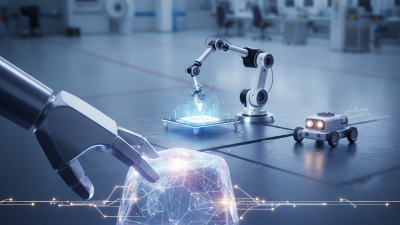
In robotics, Piezo Motion contributes to precision movements. It allows for tiny, controlled adjustments that can improve performance. Yet, as with all technologies, there are limitations. Researchers continue to explore how to maximize efficiency while minimizing energy consumption. This ongoing quest highlights the dynamic nature of innovation.
Overview of Piezo Motion Technology and Its Principles
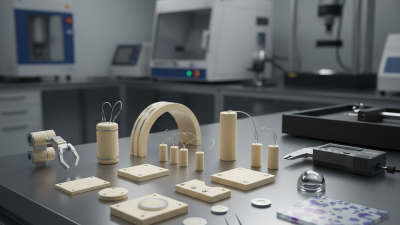
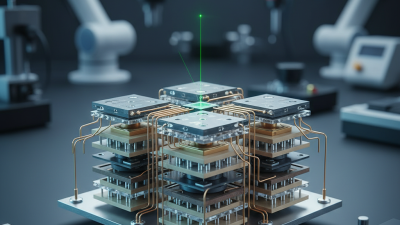
Piezo motion technology harnesses the unique properties of piezoelectric materials to convert mechanical energy into electrical signals. This principle operates on the fact that certain materials generate an electric charge when deformed. According to a report from MarketsandMarkets, the global piezoelectric device market is projected to reach $29.6 billion by 2025, showcasing its growing importance across many industries.
In healthcare, piezo motion plays a critical role. Devices like ultrasound imaging rely heavily on piezoelectric sensors. These sensors provide precise measurements and enhanced imaging quality. A study indicated that over 88% of hospitals utilize ultrasound for diagnostic purposes, largely due to its effectiveness.
Furthermore, in robotics, piezo motion is used for precise control in small actuators. The accuracy these systems provide is often vital for delicate operations.
Despite its advantages, challenges persist. Not all materials perform equally well under varying conditions. Reliability issues in temperature extremes can affect performance. Furthermore, piezo systems often require careful calibration for optimal function. Addressing these inconsistencies is essential for the continued evolution of piezo technology. Recognizing these shortcomings is important for future advancements in this field.
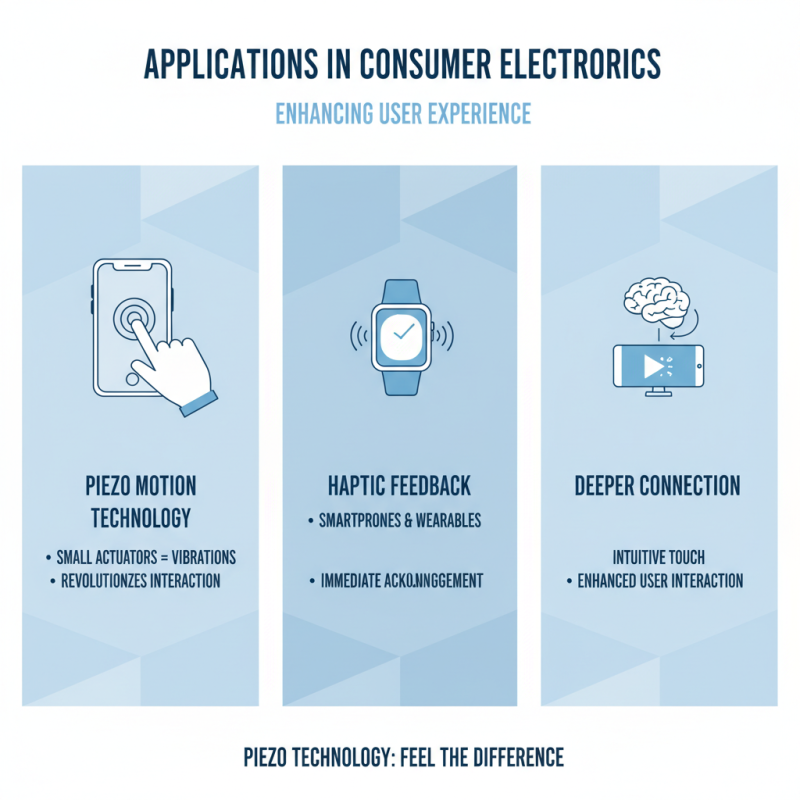
Applications in Consumer Electronics: Enhancing User Experience
Piezo motion technology is quietly revolutionizing consumer electronics. Small actuators generate vibrations that enhance user interaction. This is evident in devices such as smartphones and wearables, where haptic feedback plays a crucial role. For instance, the sensation of touch in touchscreens becomes more intuitive. When users receive notifications, vibrations provide immediate acknowledgment. This kind of feedback cultivates a deeper connection between users and their devices.
Beyond vibrations, piezo motion drives innovative advancements in audio equipment. Speakers equipped with piezoelectric components deliver clearer sound quality. The precise control offered by piezo technology allows for improved sound fidelity. Users can experience subtleties in music previously unnoticed. However, incorporating these technologies into mainstream products comes with challenges. Balancing cost and performance is a key concern. Consumers may prioritize affordability over advanced features.
Another area of development is in cameras. Piezo motion improves autofocus mechanisms, enabling faster and more accurate focusing. This leads to sharper images, particularly in dynamic shooting environments. However, while these enhancements are beneficial, they can lead to a steep learning curve for many users. Understanding the full potential of these features may require a shift in user behavior and expectations. As piezo technology continues to advance, the potential for even richer user experiences is boundless.
Role of Piezo Motion in Medical Devices and Healthcare Innovations
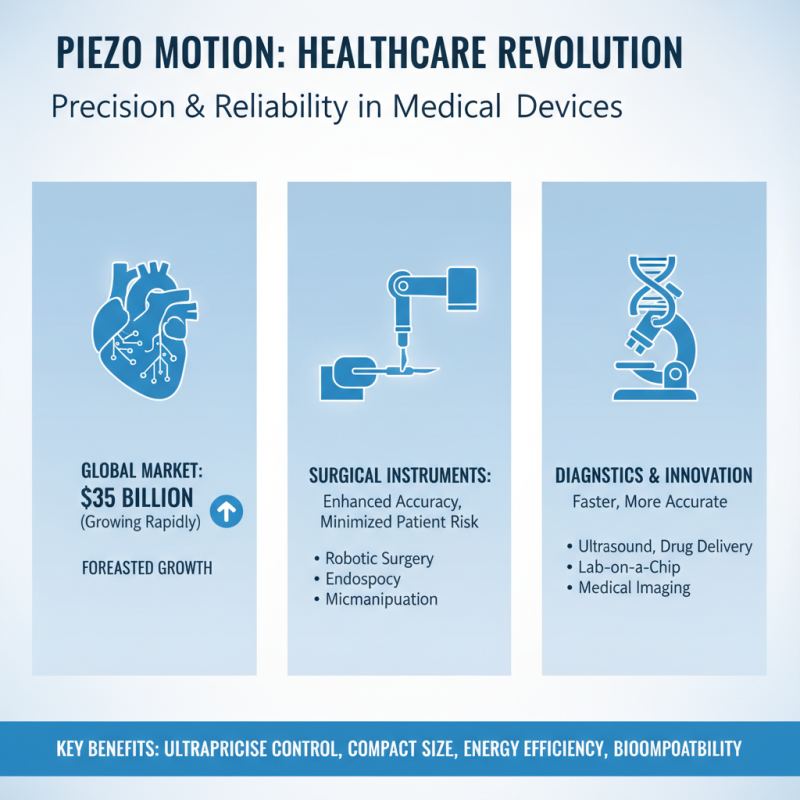
Piezo motion technology is transforming healthcare in profound ways. In recent years, the global piezoelectric devices market reached around $35 billion and is expected to grow significantly. These advancements are largely due to their use in medical devices, where precision and reliability are critical. Many surgical instruments now incorporate piezoelectric actuators. These devices enhance accuracy, minimizing patient risk during procedures.
In diagnostics, piezoelectric sensors have become invaluable. They are used in ultrasound imaging systems, improving image clarity and resolution. Studies suggest that these sensors can increase detection rates of tumors by up to 30%. However, there are still challenges. Not all healthcare facilities can afford the latest technology, creating a gap in access. Moreover, ongoing research must address potential biocompatibility issues associated with new piezo materials.
Telemedicine is another area benefiting from piezo motion. Devices such as portable ultrasonic echocardiograms use this technology to allow remote diagnosis. While this innovation is promising, it raises questions about data security and patient privacy. Continuous monitoring and improvements are essential to ensure technology serves its intended purpose in patient care. Each innovation brings excitement and responsibility. The journey of piezo motion in healthcare is just beginning.
Industrial Automation: Boosting Efficiency with Piezo Motion Systems
In industrial automation, piezo motion systems are transforming efficiency and precision. Analysts project that the piezoelectric market will exceed $37 billion by 2025. This growth underscores the technology's increasing relevance in manufacturing sectors. Piezo motion enhances speed and accuracy in robotic arms and CNC machines.
For example, a recent study indicated that factories implementing piezo motion systems improved cycle times by 30%. These systems enable precise movements, which reduces waste and downtime. In assembly lines, piezo technology allows for faster product handling, directly impacting productivity.
However, challenges persist. Current piezo systems are often expensive to integrate, especially for smaller manufacturers. There's a need for more cost-effective solutions without compromising performance. Balancing quality and affordability remains critical as industries adopt new technologies.
Applications of Piezo Motion in Industrial Automation
Future Trends and Developments in Piezo Motion Technology
The future of piezo motion technology appears promising, with advancements anticipated in various sectors. One major trend is the integration of piezoelectric materials into smart devices. This could lead to more efficient energy harvesting, allowing devices to run longer on less power. Imagine wearable technology that charges itself through your movements.
Another exciting development is in the medical field, particularly with robotic surgeries. Piezo motion can enhance precision and reduce recovery times. However, the quality of these advancements must be monitored. The challenge lies in balancing innovation with safety and reliability. Ensuring that piezo-based devices deliver on promises is crucial.
As industries adopt piezo technology, strides in automation and robotics continue. There might be hurdles in scaling these innovations. Effective communication of benefits to consumers is essential. If done right, piezo motion could revolutionize everyday applications, making technology more intuitive and user-friendly. Keeping an eye on ethical considerations remains vital as we advance.