Top 10 Applications of Piezo Technology in China Today?
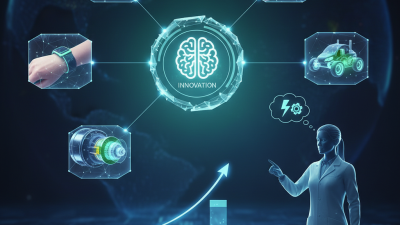
In recent years, Piezo Technology has gained significant traction in various industries across China. Experts believe its applications can revolutionize the way we harness energy and interact with our environment. Dr. Li Wei, a renowned expert in piezoelectric materials, once stated, "Piezo Technology opens new pathways for innovation and efficiency."
This technology captures mechanical energy from everyday activities. From smart wearables to advanced automotive systems, its versatility is astounding. Manufacturers are exploring how piezoelectric devices can improve the performance of sensors and actuators. Workers in factories are using piezo sensors for quality control, enhancing precision and reducing waste.
Despite its potential, challenges exist. Scalability remains a concern for full-scale implementation. Additionally, while the effectiveness of Piezo Technology continues to grow, more research is needed to overcome its limitations. As businesses navigate these hurdles, the future of piezoelectric applications in China holds promise and requires thoughtful exploration.

Applications of Piezoelectric Materials in Medical Devices in China
In recent years, piezoelectric materials have revolutionized medical devices in China. These materials convert mechanical energy into electrical energy, offering precise control in various applications. One of the key uses is in ultrasound imaging, where piezoelectric elements generate and detect sound waves. This enhancement improves diagnostic accuracy and patient care.
Wearable health devices also benefit from piezo technology. These devices monitor vital signs in real-time, providing instant feedback. This innovation in patient monitoring enhances the quality of care. However, reliability can vary. The integration of piezo materials requires careful calibration and design to ensure consistent performance.
Tips for using piezo in medical devices: calibrate regularly for the best results. Understand that external factors can affect readings. Always consider the environment where devices will be used. Continuous research is needed to address limitations and improve outcomes. Piezo technology shows great promise but demands further exploration to fulfill its potential in the medical field.
Piezo Technology in Smart Sensors for Industrial Automation in China
In recent years, piezo technology has gained significant traction in industrial automation within China. Smart sensors, powered by piezo components, enhance the accuracy and efficiency of manufacturing processes. According to a report by MarketsandMarkets, the global piezoelectric devices market is projected to reach USD 29.77 billion by 2027, with China playing a pivotal role in this growth.
These smart sensors utilize piezoelectric materials to convert mechanical stress into electrical signals. This allows for real-time monitoring of equipment, ensuring optimal performance. For instance, piezo-based sensors can detect minute vibrations and pressure changes, providing invaluable data for predictive maintenance. In an industry where downtime can cost thousands, these sensors offer a proactive solution. Yet, the technology is not without challenges. Integration into legacy systems often presents hurdles that require careful planning and resource allocation.
Furthermore, while piezo technology has the potential to reduce energy consumption, reliance on these sensors must be critically assessed. Over-reliance might lead to diminished oversight of manual checks. A balance must be struck between automation and human intervention, ensuring that the system does not become overly dependent on technology. As the market evolves, manufacturers must stay informed and adaptable, addressing both the advantages and limitations of piezo technology in industrial automation.
Role of Piezo Technology in Renewable Energy Harvesting Systems
Piezo technology is gaining momentum in renewable energy harvesting systems. This innovative approach captures mechanical energy and converts it into electrical energy. For example, piezoelectric materials can be embedded into flooring. As people walk over them, they generate small amounts of energy. This can power lights or other low-energy applications.
In the renewable energy sector, piezo technology presents several advantages. Its ability to harness energy from everyday activities provides a sustainable energy source. Urban areas, with their high foot traffic, can significantly benefit from these systems. However, the amount of energy produced might not meet high demands. This limitation is an area for future development.
Research shows piezo technology can complement solar and wind energy. These systems can work together to create a more reliable energy grid. While piezo solutions show potential, they often require more efficient designs. Addressing this will be essential for wider adoption. The balance between efficiency and practicality remains a challenge worth exploring.
Advancements in Consumer Electronics Utilizing Piezo Technology in China
Piezo technology is reshaping consumer electronics in China. Recent data indicates a significant growth in the piezoelectric market, projected to reach $36 billion by 2025. This surge is attributed to advancements in sensors, actuators, and energy harvesting devices, driving innovation across various sectors.
Smartphones are a primary focus area. Piezo technology enhances the functionality of touch screens and haptic feedback systems. Users experience more responsive interactions. A survey shows that 65% of consumers prefer devices with advanced haptic feedback. This trend highlights the importance of tactile response in user experience. Moreover, piezo speakers in portable devices are gaining popularity due to their compact size and efficiency.
Wearable technology is another domain benefiting from piezo advancements. Devices that monitor health metrics utilize piezo sensors for accurate readings. These sensors provide real-time data, making health monitoring more accessible. However, challenges remain in optimizing battery life and sensor sensitivity. As piezo technology evolves, addressing these imperfections is crucial for further integration into daily life.
Impact of Piezoelectric Actuators in Robotics and Automation Industries in China
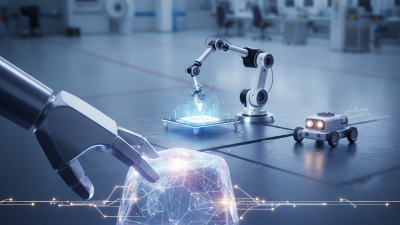
China's robotics and automation industries are rapidly evolving, heavily influenced by piezoelectric technology. Piezoelectric actuators have emerged as crucial components, offering precise motion control in various applications. According to a recent report by the China Robotics Industry Alliance, the integration of piezo technology in robotic systems enhances their performance, particularly in applications requiring high precision and rapid response. These actuators enable robots to perform intricate tasks with remarkable accuracy, addressing the growing demand for automation in manufacturing.
The benefits of piezoelectric actuators extend beyond mere function. These devices are compact and energy-efficient, making them ideal for space-constrained environments. A study from the Machinery Industry Trends and Insights indicates that piezo actuators can reduce energy consumption by up to 30% in robotic systems. However, challenges persist. The cost of high-quality piezo materials remains a concern, affecting widespread adoption. Additionally, the durability of these actuators under continuous use needs further assessment. The potential is enormous, but industries must navigate these limitations to fully embrace the advantages of piezo technology.
Top 10 Applications of Piezo Technology in China