2026 Top Innovations in Piezo Technology for Future Applications
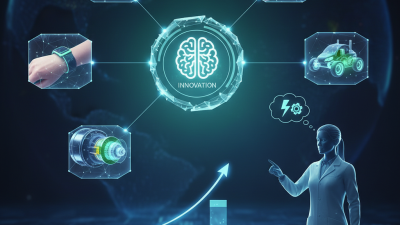
Piezo Technology is reshaping various industries. From healthcare to consumer electronics, its potential is enormous. Dr. Emily Carter, a leading expert in this field, states, “The future of Piezo Technology lies in its ability to transform energy and enhance device functionality.” Her insights underscore the transformative impact of piezoelectric materials.
Recent advancements show promise in enhancing precision and efficiency. For example, piezoelectric sensors are becoming crucial in medical diagnostics. They offer real-time data, leading to quicker and more accurate diagnoses. However, this rapid growth also raises questions. Are current manufacturing processes sustainable? Can we ensure the reliability of new piezoelectric devices?
As we explore the 2026 top innovations in Piezo Technology, we must address these critical issues. Balancing innovation with ethical considerations remains a challenge. The industry is at a crossroads where future applications could revolutionize our lives. But we must proceed with caution and wisdom.

Overview of Piezo Technology: Principles and Historical Development
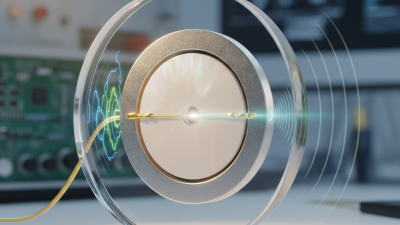
Piezo technology has evolved significantly since its inception in the late 19th century. The foundational principle relies on the piezoelectric effect, where certain materials generate an electric charge in response to applied mechanical stress. The initial discoveries by Pierre and Jacques Curie paved the way for various applications in sensors and actuators. By the 1950s, the use of piezoelectric materials expanded into medical imaging and industrial machinery. According to the latest market analysis by the Global Piezoelectric Devices Market report, this sector is projected to grow substantially, reaching $33 billion by 2026.
Historical developments showcase an impressive timeline of innovation. Early commercial applications emerged in microphones and speakers. Today, the industry sees piezo technology integrated into diverse fields such as robotics, telecommunications, and energy harvesting devices. This growth is fueled by an increasing demand for precise control systems. However, challenges remain. Material limitations and production costs continue to hinder wider adoption. Furthermore, the push for sustainability raises questions about the materials used in piezo elements. Industry experts suggest ongoing research into eco-friendly alternatives is essential for future advancements.
Piezo technology represents a blend of scientific discovery and practical application. Its history spans over a century and reflects the complexity of integrating new technologies into existing frameworks. The quest for innovation drives ongoing exploration of both conventional and novel piezo materials. As this field matures, balancing performance with ethical considerations is crucial. Such reflections are vital for shaping the next generation of piezo applications.
Top Innovations in Piezo Technology (2026)
This chart illustrates the projected advancements in piezo technology applications over various sectors by 2026. The data highlights the estimated percentage of innovations expected in each application area.
Key Innovations in Piezo Technology from 2024 to 2026
The landscape of piezo technology is evolving rapidly. From 2024 to 2026, the focus will be on key innovations that promise to reshape various industries. According to a recent market report, the global piezoelectric devices market is expected to grow by over 12% annually during this period. This growth indicates a strong demand for enhanced performance and efficiency.
One of the notable innovations is the development of advanced piezo materials that provide higher sensitivity and reliability. These materials are crucial for applications in medical devices and industrial sensors. Reports suggest that these innovations may lead to more precise diagnostic tools and automated systems. However, challenges remain in scalability and cost-effectiveness. Researchers are still navigating these issues to make advancements accessible.
Additionally, piezo technology is increasingly integrated into renewable energy systems. For instance, piezoelectric generators could harness energy from vibrations in urban environments. Yet, the efficiency of energy conversion is still a concern; it is not as effective as desired. This ongoing research represents both a significant opportunity and a need for reflection on practical implementation. The upcoming years will be pivotal in addressing these challenges and demonstrating the potential of piezo technology.
Emerging Applications of Piezo Technology in Various Industries
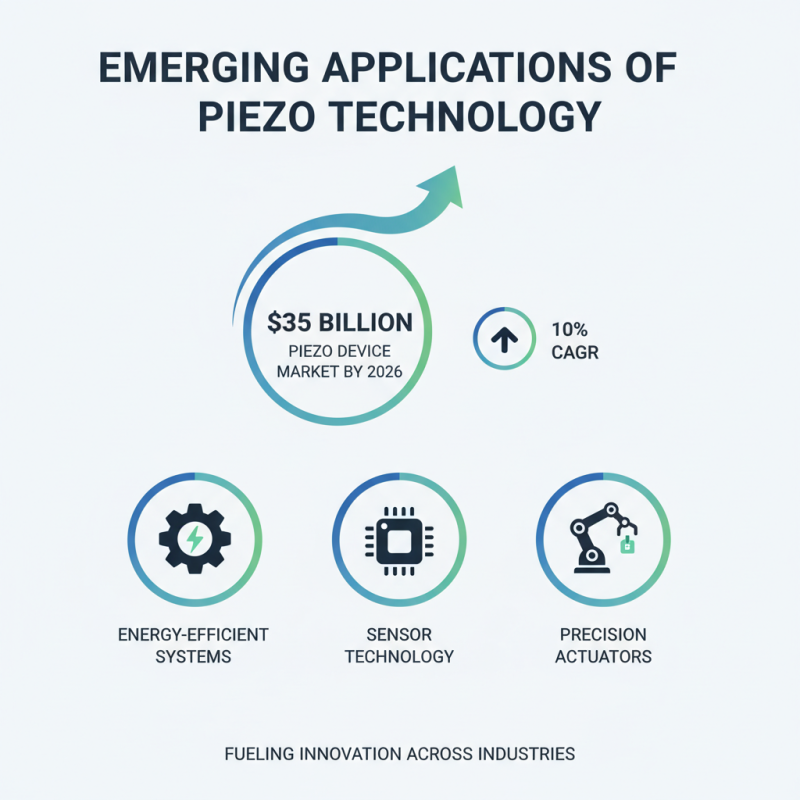
The integration of piezo technology is rapidly evolving across various industries. By 2026, the piezoelectric device market is expected to reach $35 billion, reflecting a compound annual growth rate (CAGR) of over 10%. This surge is driven by the increasing demand for energy-efficient systems.
In the automotive sector, piezo technology is transforming safety features. For example, piezo sensors enhance the effectiveness of collision detection systems. These sensors can convert mechanical stress into electrical energy. This creates real-time data for better decision-making.
Healthcare is another domain witnessing significant advancements. Piezoelectric materials are used in ultrasound devices, providing clearer images than traditional methods. This technology improves diagnosis and treatment. However, the high cost of piezo materials can hinder widespread adoption. Thus, industry stakeholders must address these challenges for broader implementation.
A study from the International Journal of Advanced Manufacturing Technology highlights the growing role of piezoelectric devices in robotic applications. They enhance precision and automation, essential for manufacturing efficiency. But, the scalability of these devices remains a concern. Investing in research is crucial to overcome such limitations and drive innovation.
Challenges and Opportunities in Piezo Technology for the Future
As piezo technology evolves, it presents both challenges and opportunities. Industry reports indicate that the global piezoelectric materials market is projected to reach $2.6 billion by 2026. Despite this growth, manufacturers face hurdles in
efficiency and material costs. Energy conversion is one area that requires innovation. Current methods are still not maximizing energy outputs.
The integration of piezo technology in sectors like healthcare and automotive introduces complexities. For instance, in medical devices, achieving precise measurements is critical. However, current piezo sensors often encounter issues with sensitivity and reliability. Additionally, the demand for
environmentally friendly materials poses challenges in sourcing sustainable options without sacrificing performance.
Research suggests that collaborative efforts across industries can drive progress. Partnership between academia and manufacturers can foster new techniques and materials. Yet, the pace of innovation must accelerate to meet market needs. Reflecting on the barriers and potential misalignments in expectations can guide future explorations. Emphasizing
adaptive technologies will be key to unlocking the full capabilities of piezo technology in the coming years.
Predictions for the Next Decade in Piezo Technology Advancements
The future of piezo technology looks promising.
Predictions suggest significant advancements over the next decade. A report by IDTechEx indicates that the piezoelectric devices market will reach $25 billion by 2030. The demand is driven by the integration of these devices into a variety of industries, from healthcare to automotive.
Innovations in piezo materials are at the forefront. Researchers are focused on developing lighter, more efficient devices with better sensitivity. New composite materials may offer enhanced performance. Yet, scaling these innovations for mass production is still a challenge. There are concerns regarding cost-effectiveness and durability of these new materials.
The potential applications are vast. Piezo technology could revolutionize wearables, providing real-time monitoring of health metrics. In manufacturing, imagine smart sensors that help reduce energy consumption. However, not all piezo innovations will succeed. Market needs and technical limitations can hinder development. The next decade will be crucial for refining these technologies.