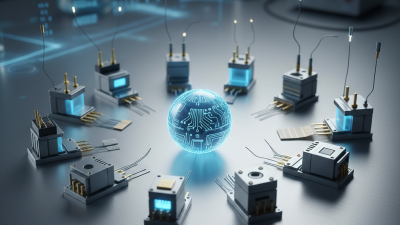
In the rapidly advancing field of technology, Piezoceramic Actuators have garnered significant attention. Dr. Emily Chen, a leading expert in piezoelectric materials, emphasizes, “Piezoceramic Actuators enable precision and innovation in various applications.” This statement highlights the pivotal role these actuators play in modern industry.
Piezoceramic Actuators convert electrical energy into precise mechanical motion. They are essential in diverse sectors such as robotics, aerospace, and medical devices. With their unique advantages, piezoceramics offer precise control and high reliability. However, the complexity of their application can sometimes lead to challenges, such as material fatigue and integration issues.
Understanding the various uses of Piezoceramic Actuators is crucial for engineers and designers. Each application reveals both the strengths and limitations of these devices. Exploring the top applications will provide insights into their potential. It is important to address shortcomings and strive for improvements. By doing so, we can unlock new possibilities in multiple industries.
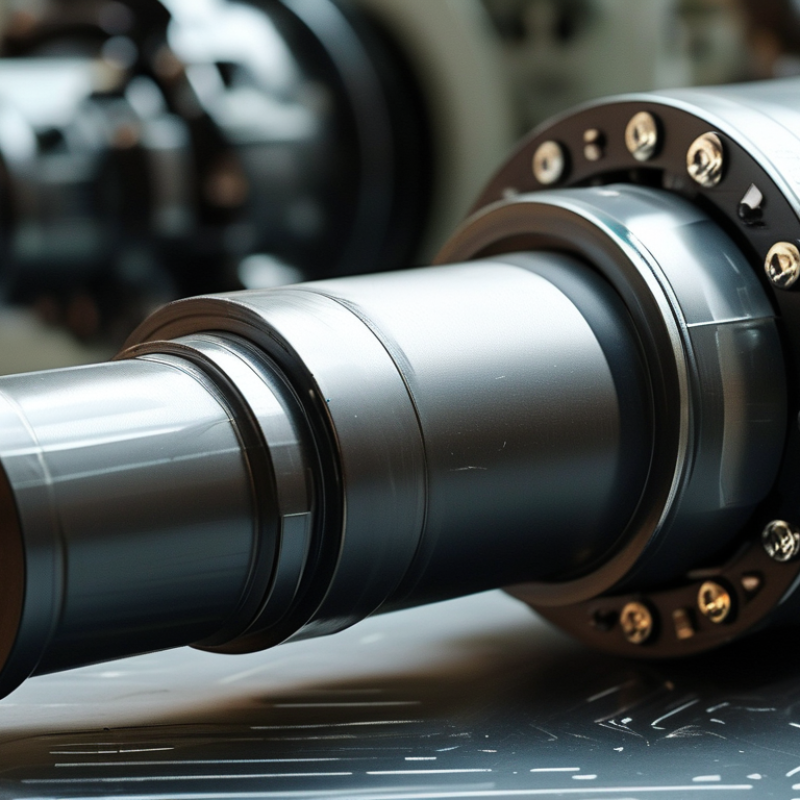
Piezoceramic actuators are vital components in modern technology. They convert electrical energy into mechanical motion. This capability has transformed various industries, from robotics to medical devices. The use of piezoceramics allows for precision control and miniaturization, which is crucial in today’s fast-paced world. Their reliability in harsh environments makes them particularly valuable in aerospace applications.
When considering piezoceramic actuators, it's essential to understand their strengths and limitations. They work well under specific conditions but may not perform optimally under extreme temperatures. This is where testing and quality assurance come into play. Users must ensure that the actuators meet the required specifications for their applications.
Tip: Always review the manufacturer's datasheets. This helps in selecting the right actuator for specific tasks. Consider factors like frequency response and mechanical load capabilities. Moreover, conducting field tests can provide insights into real-world performance. Keep an eye on maintenance needs. Regular checks can prevent unexpected failures and enhance durability over time.
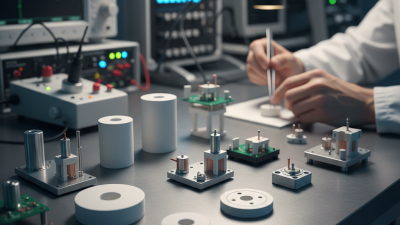
Piezoceramic actuators play a vital role in modern medical devices. These components convert electrical energy into mechanical motion, enabling precise control in various applications. Surgical instruments often utilize piezoceramic technology to achieve high accuracy and responsiveness. The compact size and lightweight nature make them suitable for minimally invasive procedures.
In ultrasound imaging, piezoceramic actuators are essential. They generate and receive sound waves, translating them into images. This technology enhances diagnostic capabilities in healthcare. Additionally, piezoceramic actuators support drug delivery systems. They can control the release of medication with accuracy, improving treatment outcomes.
Despite their advantages, challenges exist. Some piezoceramic materials can be brittle, impacting their long-term reliability. Furthermore, the integration of these actuators into devices requires careful engineering to ensure compatibility. Addressing these issues is crucial for advancing healthcare technologies. As research progresses, piezoceramic actuators are likely to become even more integral in medical innovations.
Piezoceramic actuators are increasingly vital in the automotive industry. These devices enhance vehicle performance by converting electrical energy into mechanical movement. Reports indicate that the global market for piezoceramics in automotive applications is expected to grow significantly. In fact, it could exceed $600 million by 2025. This suggests a strong demand for these technologies.
One major application is in active suspension systems. Piezoceramic actuators improve ride comfort and handling. They can react faster than traditional systems. Studies show that vehicles equipped with these actuators experience up to 30% better response times. This leads to improved safety and performance metrics. However, challenges remain. The integration of these systems can be complex and costly. Additionally, long-term reliability is still under scrutiny.
Another critical use is in fuel injectors. Precise fuel delivery can enhance engine efficiency. Data shows that vehicles using advanced piezoceramic fuel injectors achieve up to 20% better fuel economy. Yet, the initial cost for these actuators can deter some manufacturers. Real-world testing is necessary to validate these benefits. Overall, while piezoceramic actuators hold promise, the automotive industry must navigate integration hurdles.
Piezoceramic actuators are transformative in aerospace applications. These devices deliver high precision and efficiency. The aerospace sector requires exact control for various mechanisms, such as flight control surfaces and guiding systems. According to a recent report from the International Journal of Aerospace Engineering, using piezoceramic actuators improves system responsiveness by up to 30%. This enhancement can significantly affect aircraft stability and performance.
The lightweight nature of piezoceramic materials is another advantage. Weight reduction is critical in aerospace design. A decrease in component weight often leads to better fuel efficiency. However, one must consider the limitations regarding temperature and stress tolerance in extreme conditions. Testing is essential to ensure reliability during prolonged operations.
Tip: Ensure that materials are rigorously tested to withstand varying environmental factors in aerospace.
Another challenge lies in the integration of these actuators within existing systems. Engineers often face compatibility issues, which can hinder performance. Careful analysis and design iteration are needed. When implemented correctly, these actuators provide unparalleled benefits.
Tip: Collaborate closely with material and systems engineers during the design phase to minimize integration risks.
| Application | Description | Advantages | Challenges |
|---|---|---|---|
| Flight Control Surfaces | Piezoceramic actuators control the movement of ailerons and rudders for precise aerodynamics. | High precision, rapid response time, and reduced weight. | Sensitivity to environmental factors and potential fatigue issues. |
| Landing Gear Actuation | Used to retract and deploy landing gear with enhanced control. | Compact design and energy efficiency. | Requires reliable power sources and control algorithms. |
| Wing Morphing | Gradually changes wing shape during flight for improved performance. | Enhanced aerodynamics and fuel efficiency. | Complex integration with aircraft systems. |
| Radar and Antenna Positioning | Precise positioning of radar and communication antennas. | Quick adjustments and high accuracy. | Vulnerability to high frequency vibrations. |
| Active Vibration Control | Control vibrations in aircraft structures through smart material systems. | Increases comfort and reduces structural fatigue. | System complexity and weight considerations. |
| Flight Simulator Technologies | Provides realistic feedback and control in advanced simulators. | Enhanced training accuracy and realism. | Requires sophisticated software and hardware integration. |
| Control of Spacecraft Attitude | Utilized in adjusting spacecraft orientation in orbit. | Small size and low power consumption. | Limited to low-torque applications. |
| Fuel Injection Systems | Enhances performance and efficiency in jet engines. | Precise control of fuel flow and reduced emissions. | Demanding maintenance requirements. |
| Sensor Technologies | Embedded in sensors for enhanced sensitivity and performance. | Improved data accuracy and responsiveness. | Possible interference with other components. |
Piezoceramic actuators are revolutionizing consumer electronics. These devices convert electrical energy into mechanical motion. This technology is found in various gadgets, enhancing their functionality. For instance, smartphones utilize these actuators for precise haptic feedback. This feedback mimics the sensation of pressing a button, improving user experience.
In audio devices, piezoceramic actuators contribute to sound quality. They allow for faster response times and finer sound reproduction. Whether it's in headphones or speakers, this technology plays a vital role. However, the complexity of integrating these actuators can sometimes lead to reliability issues. Engineers must carefully consider materials and design to avoid potential failures.
In robotics, these actuators enable more agile movements. They provide the necessary force with great accuracy. But, engineers face challenges in achieving a balanced design. If not managed properly, performance could suffer. Addressing these concerns is essential for the continued evolution of consumer electronics.