Top 5 Tips for Choosing Piezoceramic Actuators for Your Projects?
Choosing the right Piezoceramic Actuator for your projects can be daunting. Experts suggest that understanding their unique characteristics is essential. Dr. Emily Norwood, a leading specialist in advanced materials, once noted, "Selecting the right actuator can make or break your project." Her insight highlights the critical role of Piezoceramic Actuators in precise applications.
When considering Piezoceramic Actuators, factors like size, performance, and response time come into play. Designers often face challenges in aligning their project needs with actuator specifications. It’s vital to evaluate both the technical parameters and the operational environment. Unforeseen issues can arise if these aspects are not thoroughly assessed.
The landscape of actuator technology is evolving. New developments promise improved efficiency and reliability. However, with innovation comes complexity. Decision-makers must balance cutting-edge options with proven reliability. This is where informed choices make a significant difference in project outcomes. Understanding these nuances can guide you toward the best Piezoceramic Actuator for your specific needs.
Understanding the Basics of Piezoceramic Actuators in Applications
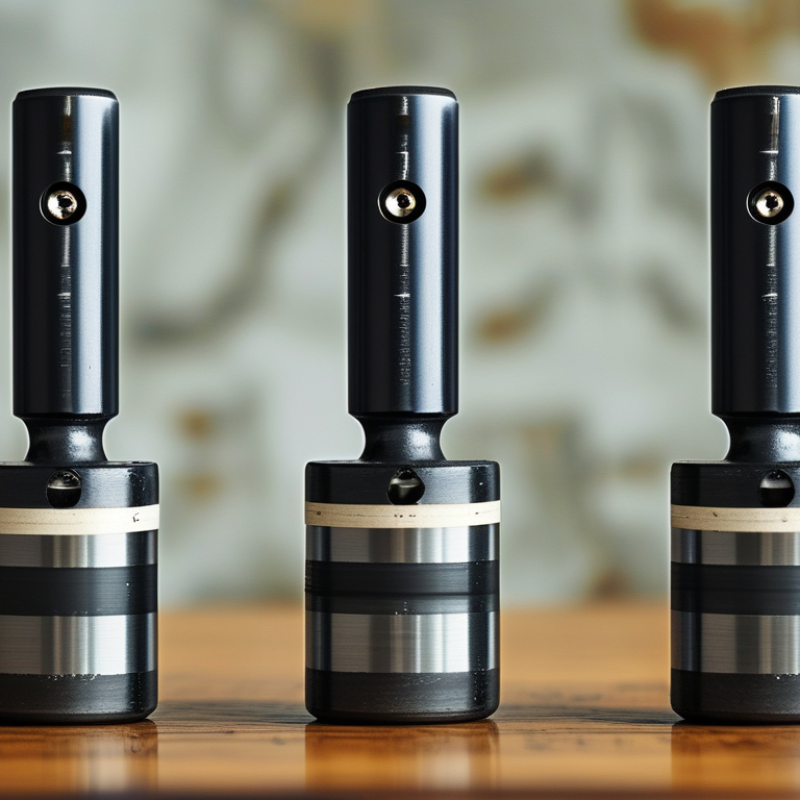
Piezoceramic actuators are essential in various applications, from precision positioning to vibration control. Understanding their fundamental characteristics helps in making informed choices. These actuators convert electrical energy into mechanical motion. They operate under the principle of piezoelectricity, where specific materials generate a mechanical displacement when subjected to an electric field.
When selecting piezoceramic actuators, consider their size and shape. Small actuators may be ideal for compact devices, while larger ones can deliver greater force. The actuator's frequency response is another crucial factor. A higher response usually provides better performance in dynamic applications. Testing different configurations can reveal optimal setups for your specific needs.
Material composition also plays a vital role. Different piezoceramic materials exhibit varying properties. Some materials may not perform well under extreme conditions. Evaluating these factors early on can prevent issues later in the design phase. Understanding the basic principles allows for better integration of these components into projects. Such insights can lead to improved effectiveness and functionality in diverse applications.
Top 5 Tips for Choosing Piezoceramic Actuators for Your Projects
| Tip Number |
Tip Description |
Application Suitability |
Considerations |
| 1 |
Determine Frequency Range |
High-speed applications |
Ensure actuator can operate at desired frequency. |
| 2 |
Evaluate Force and Displacement |
Robotics and precision movement |
Match actuator specifications with project requirements. |
| 3 |
Consider Voltage Rating |
Energy-sensitive applications |
Check compatibility with power supply. |
| 4 |
Assess Environmental Conditions |
Outdoor and harsh environments |
Choose durable materials for specific conditions. |
| 5 |
Review Thermal Characteristics |
Applications with temperature fluctuations |
Consider thermal management solutions. |
Key Performance Metrics to Evaluate Piezoceramic Actuators
When selecting piezoceramic actuators, evaluating key performance metrics is crucial. The operational frequency is a primary factor. High-frequency response is essential for applications requiring quick displacement. For instance, in precision positioning tasks, a response time of less than 1 ms is ideal. However, some actuators may not meet this demand, presenting a challenge for applications with tight timing constraints.
Another metric to consider is the actuator's displacement range. Piezoceramic materials offer various displacement capabilities. A small actuator may work well in compact settings, but the limited range could hinder performance in larger devices. The trade-off between size and capability requires careful consideration.
Stability under varying conditions is another important aspect. Factors such as temperature and humidity can significantly impact performance. Some actuators may exhibit drift in humider environments, affecting reliability. Testing in realistic conditions is essential, even if it’s inconvenient. Balancing these metrics can help ensure the actuator meets project needs effectively. Remember, each choice impacts the overall project outcome, and reflection on these aspects is key.
Top 5 Tips for Choosing Piezoceramic Actuators for Your Projects
Evaluating the performance of piezoceramic actuators is crucial for project success. This chart illustrates key performance metrics including Response Time, Displacement, Max Load, Frequency Range, and Power Consumption. Consider these factors when selecting actuators for your applications.
Material and Design Considerations for Piezoceramic Actuators
When selecting piezoceramic actuators, material and design are critical factors. The piezoelectric material's composition directly affects performance. Common materials include lead zirconate titanate (PZT) and newer alternatives like polymer-based composites. PZT offers high electromechanical coupling but raises environmental concerns. In contrast, polymer-based options are lighter and more flexible, although they may exhibit lower efficiency.
Design considerations are equally paramount. The actuator's geometry influences its resonance frequency and response time. For instance, thin and long models often show faster dynamic responses. Research from professional journals indicates that a well-optimized design can enhance performance by up to 30%. However, developers may overlook the impact of mechanical boundaries, which can lead to performance deficits. Careful integration into your project's mechanical system is necessary to ensure optimal functioning and durability.
Cost is another essential variable. High-quality materials may increase initial expenses but can yield better long-term reliability. Conversely, lower-cost materials may not perform consistently, leading to frequent replacements and maintenance issues. A study from the International Journal of Advanced Engineering shows that cheaper actuators can fail up to 50% sooner in demanding applications. Balancing these factors is crucial for project success.
Integration Techniques for Piezoceramic Actuators in Projects
When integrating piezoceramic actuators into projects, careful consideration is essential. These actuators are versatile and can enhance performance in various applications. However, selecting the right integration technique can be challenging. It requires an understanding of both the actuators and the specific requirements of your project.
One key tip is to assess the mechanical properties of your assembly. The actuator should match the stiffness of the system. For example, if the actuator is too stiff, it may not effectively translate electrical signals into movement. On the other hand, a flexible actuator might lead to a loss of precision.
Another aspect is the electrical connection. Proper wiring is critical to ensure optimal performance. Use short and secure connections to reduce signal loss. It is also helpful to consider temperature changes that may affect actuator behavior. Integrators should test their setups under anticipated operating conditions. This will reveal any potential issues before full-scale implementation.
Cost-Effective Strategies for Selecting Piezoceramic Actuators
When selecting piezoceramic actuators, cost-effective strategies significantly influence project success. A key consideration is understanding the specific requirements of your application. Different projects necessitate unique specifications, such as size and force output. Tailoring your choice based on these aspects can lead to considerable savings.
Another approach is to research multiple suppliers. Comparing pricing structures and evaluating included services can reveal hidden costs. Don't underestimate the importance of technical support. Reliable assistance can reduce potential errors. Engage with industry forums and experts to gather insights.
Consider long-term performance when making your decision. While initial costs are crucial, durability and efficiency matter as well. A cheaper actuator may lead to more repairs down the line. Analyze the total cost of ownership. It's essential to strike a balance between upfront expenses and long-term savings. This reflective approach often unveils better options.