2026 Top Trends in Piezo Motion Technology for Global Buyers?
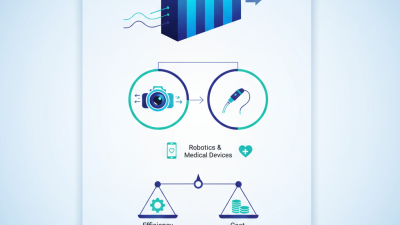
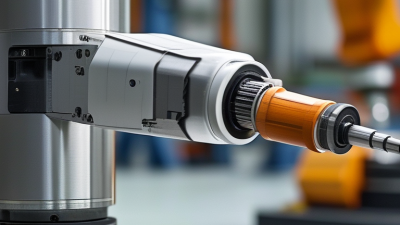
The world of technology is evolving rapidly, with Piezo Motion leading the charge in innovation. As we look ahead to 2026, buyers must understand the trends driving this field. Piezo Motion technology has unique advantages, including compactness and high precision. These features allow for new applications in industries such as robotics and medical devices.
Understanding these trends requires insight into the latest advancements. Companies are focusing on improving efficiency and sustainability. This shift impacts every sector, from consumer electronics to automation. However, challenges remain. Technical limitations and cost considerations can hinder adoption. It’s crucial for global buyers to navigate these complexities.
Investing in Piezo Motion technology can yield significant benefits. Still, potential pitfalls exist. Staying informed about market trends is vital for making sound decisions. Buyers should prioritize reliable sources and industry reports. By doing so, they can enhance their understanding of this dynamic landscape. Overall, embracing Piezo Motion innovation may lead to groundbreaking developments in the years to come.
Emerging Technologies in Piezo Motion: Key Innovations for 2026
Emerging technologies in piezo motion are revolutionizing various industries. By 2026, the global market for piezoelectric devices is expected to reach $40.25 billion, according to a recent report by MarketsandMarkets. This growth reflects an increasing demand for high-precision motion control solutions across sectors like robotics, healthcare, and aerospace.
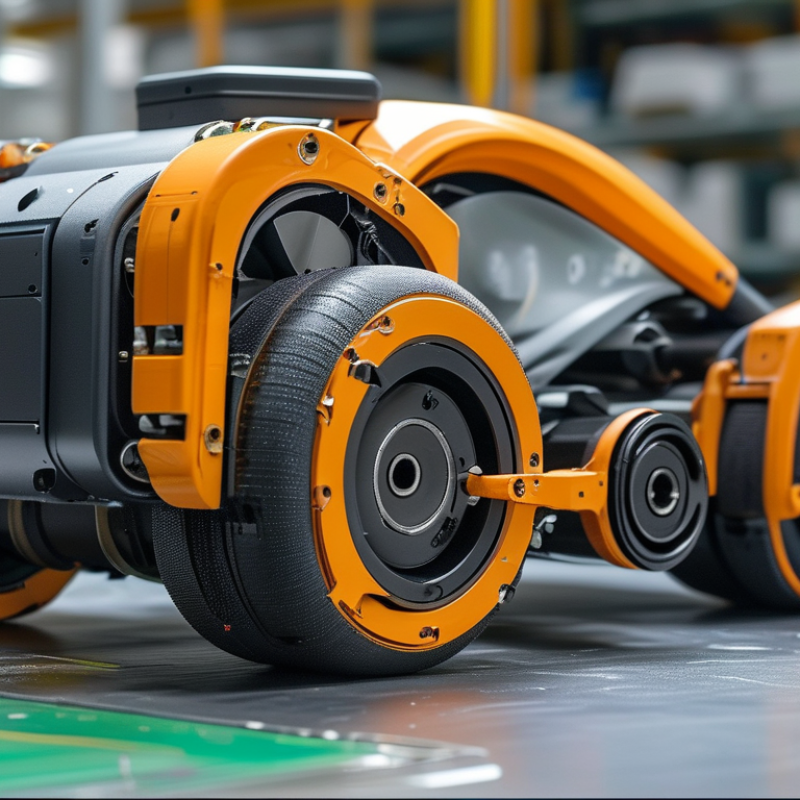
Key innovations include advancements in piezoelectric materials, particularly in energy harvesting systems. Traditional ceramics are being replaced with polymers that offer more flexibility and durability. The trend toward miniaturization is evident. Smaller, more efficient piezo actuators can achieve greater performance at reduced sizes. This ability to scale down offers new applications for robotics and medical devices, though consistency in performance can vary.
Another area of focus is the integration of AI with piezo motion technology. This combination allows for smarter, adaptive systems. However, there are challenges. Ensuring reliability in dynamic environments remains a significant hurdle. Developing solutions that can handle varying loads and conditions is crucial for the future. Addressing these imperfections will be essential as the technology matures.
2026 Trends in Piezo Motion Technology
Market Analysis of Piezo Motion Technology: Trends and Growth Projections
The landscape of piezo motion technology is evolving rapidly. Buyers should be aware of both current trends and future growth projections. As industries seek precision and efficiency, piezo motion systems are becoming essential in various applications. This technology offers superior control in automation and robotics, making it a key player in production lines.
The market shows a significant shift towards miniaturization. Smaller devices require more compact solutions. For buyers, sourcing cutting-edge piezo components is crucial. Customization options can enhance overall performance. There's a growing need to understand the specific requirements of your applications before selecting technology.
Tip: Analyze your operational demands. Identify areas where piezo motion can improve efficiency. Staying updated on technological advancements can lead to better investment decisions. As you consider piezo solutions, reflect on the balance between cost and performance. Make informed choices to stay competitive.
Impact of Miniaturization on Piezo Motion Applications by 2026
The impact of miniaturization on piezo motion technology is significant as we approach 2026. Miniaturization allows for the creation of smaller, more efficient devices. In the medical field, for example, miniature piezoelectric actuators are paramount for surgical applications. A report from the International Piezoelectric Association indicated that the market for piezoelectric devices in medical technology is expected to grow by 20% annually.
Reduced sizes lead to increased agility in various applications, from robotics to consumer electronics. With components shrinking, manufacturers face challenges in maintaining performance efficiency while decreasing weight. Data from recent industry studies suggest that more than 70% of engineers are focusing on optimizing miniaturized systems. This trend could lead to breakthroughs that enhance user experience and functionality.
However, not all outcomes from miniaturization are positive. Some experts warn about potential trade-offs in reliability. Smaller systems may encounter increased wear and tear, impacting lifespan. Research presented at the latest Electronics and Motion Conference highlighted that the failure rate of miniaturized devices could rise by 30% if not carefully managed. As the industry adapts, it's crucial to prioritize durability alongside performance in these advanced technologies.
Sustainability in Piezo Motion: Eco-friendly Materials and Processes
Sustainability has become a critical focus in piezo motion technology. As industries evolve, the demand for eco-friendly materials is on the rise. According to a market analysis by Research and Markets, the sustainable materials market is projected to grow by 12% annually through 2026. This shift presents both opportunities and challenges.
Many manufacturers are exploring biodegradable polymers and recycled materials. These materials can reduce waste and the carbon footprint. For instance, a recent study revealed that using recycled plastics, instead of virgin materials, can cut energy consumption by 50%. However, sourcing these materials is not always straightforward. Suppliers may not have reliable certification, complicating sustainability efforts.
Furthermore, sustainable processes are necessary to complement eco-friendly materials. Energy-efficient manufacturing techniques are gaining traction. Data from the International Energy Agency indicates that improving production methods could reduce energy use in manufacturing by 30%. While progress is evident, gaps remain in implementing these changes universally. The industry can benefit from more collaboration and transparency to enhance trust in sustainable practices.
2026 Top Trends in Piezo Motion Technology for Global Buyers
| Trend |
Description |
Eco-friendly Materials |
Sustainable Processes |
Growth Projections |
| Advanced Sensor Integration |
Integration of piezo sensors with AI for enhanced motion control. |
Bio-based polymers for sensor casings. |
Use of green manufacturing techniques for low energy consumption. |
Expected 15% growth annually. |
| Miniaturization |
Development of smaller, more efficient piezo devices. |
Recyclable composite materials for housing. |
Processes that minimize waste during fabrication. |
Projecting a 10% CAGR. |
| Wireless Piezo Solutions |
Wireless systems reducing cabling-related waste. |
Natural fiber reinforced composites. |
Adopting eco-friendly soldering techniques. |
Estimated market growth of 20%. |
| Smart Energy Harvesting |
Devices that convert motion into usable energy. |
High-durability eco-friendly piezo ceramics. |
Energy-efficient manufacturing processes. |
Aiming for 18% annual growth. |
The Role of AI and Automation in Advancing Piezo Motion Solutions
The integration of AI and automation is revolutionizing piezo motion technology. These advancements enhance precision in various applications, from industrial machinery to medical devices. Automation allows systems to operate with minimal human intervention. This leads to increased efficiency and reduced error rates. Users benefit from consistently accurate performance across numerous environments.
Furthermore, AI algorithms optimize motion control. They analyze data in real time, adjusting parameters instantly. This capability is crucial in applications requiring constant fine-tuning. However, while AI provides remarkable benefits, it also presents challenges. Dependence on automated systems can lead to oversight of nuanced human judgment. It prompts professionals to reconsider the balance between automation and skilled intervention.
Additionally, there is a need for reliable data management systems. Collecting and processing data effectively ensures that AI solutions are grounded in real-world scenarios. Yet, ensuring data integrity remains a challenge. Stakeholders must critique current methodologies and enhance their approaches. This ongoing reflection is vital for maintaining trust in AI-assisted piezo motion solutions.