How to Utilize Pzt Material in Modern Applications?
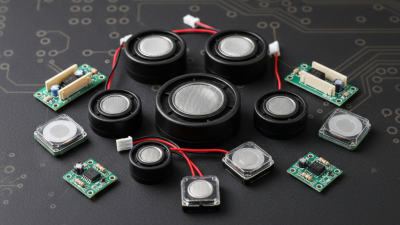
PZT material, or lead zirconate titanate, is a remarkable ceramic that has transformed various industries. Its unique piezoelectric properties enable it to convert mechanical stress into electrical energy and vice versa. This feature is invaluable in many modern applications. For example, it is widely used in sensors, actuators, and medical devices.
In robotics and consumer electronics, PZT material plays a crucial role. Devices such as smartphones utilize its properties for haptic feedback. This innovation enhances user experience significantly. However, the integration of PZT material is not without challenges. The fragility of this ceramic can lead to manufacturing hurdles.
Research and development are essential to overcome these limitations. Companies must stay informed about advancements in PZT technology. Collaboration with experts can facilitate more effective use of PZT material. By understanding both its strengths and weaknesses, industries can better harness its potential for innovative applications.

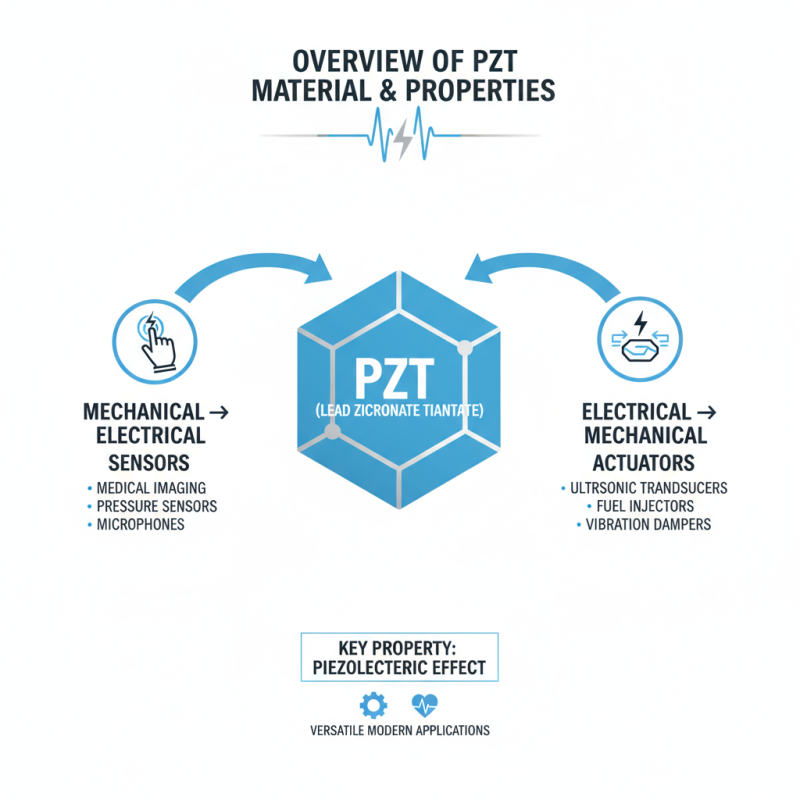
Overview of PZT Material and Its Properties
PZT, or lead zirconate titanate, is a remarkable piezoelectric material widely used in various modern applications. Its unique properties stem from its ability to convert mechanical energy into electrical energy and vice versa. This capability makes PZT ideal for sensors and actuators across different fields, from medical devices to automotive systems.
The main characteristics of PZT include high dielectric constant and excellent piezoelectric response. It can operate effectively in a wide temperature range, providing reliability in diverse environments. Additionally, PZT exhibits mechanical strength, allowing it to endure significant stress without failure. However, working with PZT can present challenges. Its brittleness requires careful handling to avoid damage during manufacturing and application processes.
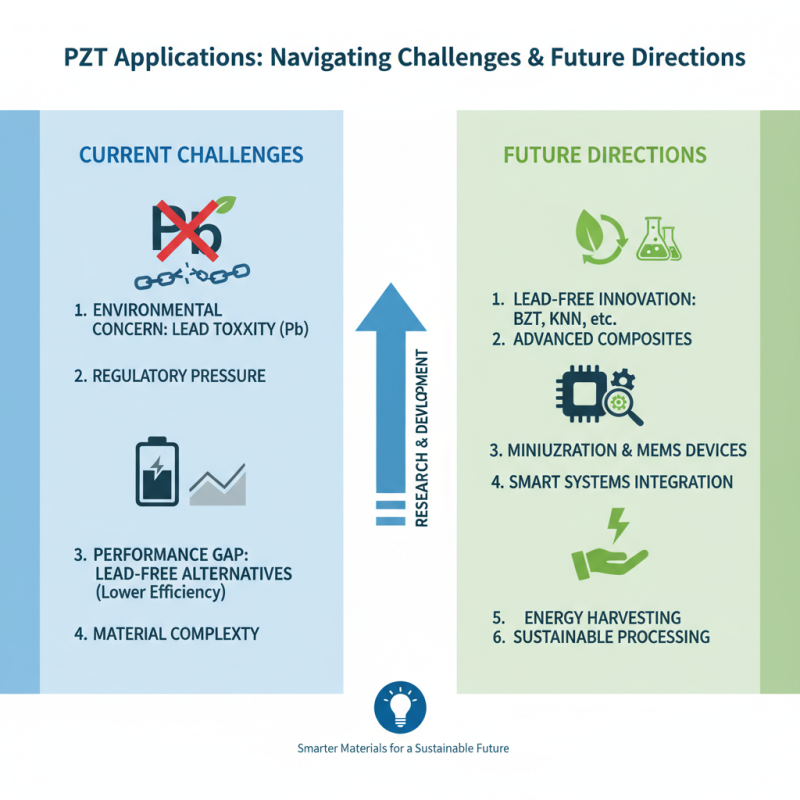
In recent years, the push for greener technologies has led to concerns about lead content in PZT. Researchers are exploring lead-free alternatives that maintain performance while minimizing environmental impact. Balancing efficiency and sustainability is crucial in utilizing PZT and similar materials. The future of PZT in advanced electronics hinges on addressing these challenges while continuing to harness its exceptional properties for innovation.
Applications of PZT in Sensors and Actuators
PZT (Lead Zirconate Titanate) material has become crucial in modern sensor and actuator applications. Its piezoelectric properties allow it to convert mechanical stress into electrical energy. Reports show that the global piezoelectric materials market, which includes PZT, is expected to reach USD 2.41 billion by 2026, driven by demand in various sectors. This growth highlights the importance of understanding how PZT contributes to technological advancements.
In sensor technology, PZT is widely used due to its high sensitivity and excellent frequency response. For instance, PZT sensors can detect vibrations in machinery, ensuring safety and efficiency in industrial settings. A recent study indicated that sensors using PZT can improve system response times by up to 30%. This capability empowers industries to monitor equipment health more effectively.
In actuators, PZT enables precise movements in devices such as microelectromechanical systems (MEMS). These actuators are crucial in robotics and medical devices, providing accurate control and manipulation. However, while PZT offers notable advantages, it also poses challenges, such as temperature sensitivity and durability issues. Users must weigh these factors carefully. The push for enhanced performance is a reminder of the evolving landscape in which PZT plays a vital role.
PZT in Medical Devices: Innovations and Uses
PZT, or lead zirconate titanate, is increasingly vital in medical devices. This piezoelectric material converts mechanical pressure into electric energy. Its applications span ultrasound imaging, surgical tools, and even implantable devices. Recent reports indicate a CAGR of 10% in the PZT market by 2026, emphasizing its growing presence in healthcare.
In ultrasound imaging, PZT transducers are crucial. They produce and receive sound waves, providing real-time imaging. The precision and sensitivity of PZT allow for earlier detection of medical conditions, enhancing patient outcomes. For instance, a study highlighted that PZT-based ultrasound systems can increase diagnostic accuracy by over 30%. However, the integration of PZT also brings challenges, such as the need for more extensive testing and compliance with strict regulations.
Surgical tools utilizing PZT technology show promise in minimally invasive procedures. These devices can provide high-efficiency energy transfer during operations. Yet, the long-term impact and biocompatibility of PZT in implants require ongoing research. The variability in clinical outcomes has also raised questions about its effectiveness across different patient profiles. Continuous innovation, alongside careful scrutiny, will determine the future of PZT in medical devices.
Utilizing PZT in Energy Harvesting Technologies
PZT, or lead zirconate titanate, is a versatile material known for its piezoelectric properties. These properties enable PZT to convert mechanical energy into electrical energy, making it invaluable in energy harvesting technologies. Many devices, from sensors to wearable technology, can benefit from this conversion process. By harnessing small vibrations or movements, PZT can generate enough power to operate low-energy electronics.
The integration of PZT in modern applications presents exciting possibilities. For instance, it can be incorporated into flooring systems, where foot traffic generates electricity. Imagine walking across a PZT-embedded surface that powers nearby LED lights. This creates an eco-friendly solution for energy management in public spaces. However, not all implementations are flawless. One challenge is ensuring long-term durability in diverse environments. Continuous exposure to stress could lead to material degradation, potentially limiting efficiency.
Moreover, optimizing PZT's performance for specific applications is crucial. Researchers are exploring various formulations and structural adjustments to improve output. This experimentation shows promise but also highlights the complexity of material science. Experimentation carries risks. Results can vary significantly based on conditions. Understanding these nuances is essential for future advancements.