China Top Piezo Technology Manufacturers How to Choose?
China has become an important sourcing hub for piezoelectric components, sensors, actuators, and ultrasonic systems. However, choosing a reliable manufacturer requires more than comparing unit prices. Piezo Technology affects product accuracy, response speed, durability, and long-term stability. A supplier’s factory experience can influence every one of these results.
Look for evidence, not polished promises. Examine material specifications, frequency ranges, tolerance data, and batch-testing procedures. Ask whether the manufacturer controls ceramic production, electrode processing, assembly, and final inspection. A capable supplier should explain its testing equipment clearly, such as impedance analyzers, laser displacement systems, and environmental chambers. Request representative samples before approving mass production. Small details matter, including connector quality, packaging protection, and consistency between production lots.
Certifications can support trust, but they do not replace technical verification. Review quality-management records, traceability practices, export experience, and customer references from comparable industries. Medical, industrial, automotive, and consumer applications may require different validation standards. Be careful with unusually low quotations. They may reflect limited testing, unstable materials, or hidden tooling costs. Still, even experienced buyers can misjudge a supplier after one successful sample. That is worth remembering.
This guide compares practical selection factors for China’s top Piezo Technology manufacturers. It considers technical capability, customization, communication, delivery reliability, and after-sales support. The goal is not to name one universal winner. It is to help buyers match a manufacturer with their actual operating conditions, risk tolerance, and performance targets. Ask precise questions. Measure the answers.
Understanding China’s Piezo Technology Manufacturing Industry
China Top Piezo Technology Manufacturers: How to Choose?
Understanding China’s piezo technology manufacturing industry requires more than comparing prices. Manufacturers may produce piezoelectric ceramics, sensors, actuators, buzzers, and ultrasonic components. Their capabilities can differ sharply. A factory with clean production rooms may still lack strong application support. A smaller supplier may provide better engineering communication. This is easy to overlook.
Review the full manufacturing process. Ask how ceramic powder is prepared, shaped, sintered, polarized, and tested. Request data for operating temperature, capacitance, displacement, resonance, and aging stability. Reliable manufacturers should provide inspection records and batch traceability. They should also explain tolerances in plain language. Samples matter, but one successful sample proves little. Pilot orders reveal process consistency, packaging quality, and response speed. In my experience, vague technical answers often create costly redesigns later. I may be too cautious, but verification is cheaper than failure.
Tips: Send a detailed technical brief. Include drawings, frequency ranges, load conditions, and expected service life. Visit the facility when possible, or request a live production review. Check calibration practices and quality documents. Compare samples under identical test conditions. Do not choose from price alone. Ask how failures are analyzed. A dependable partner should discuss weaknesses, not only strengths.
Key Products and Applications of Piezoelectric Technology
Piezoelectric technology converts mechanical stress into electrical charge, or voltage into controlled motion. Its key products include ceramic discs, multilayer stacks, ultrasonic transducers, actuators, sensors, and precision buzzers. Each product serves a different working condition. A disc may detect vibration in industrial equipment, while a stacked actuator can position a lens or valve within micrometre ranges. Ultrasonic transducers support medical imaging, cleaning systems, flow measurement, and non-destructive testing.
Market figures show strong industrial demand, although estimates vary. Fortune Business Insights valued the global piezoelectric devices market at about USD 31 billion in 2023, with projected growth toward USD 46 billion by 2032. MarketsandMarkets reported a different forecast, placing the market near USD 32 billion in 2024 and expecting continued expansion through 2029. The difference reflects changing product definitions, not necessarily poor research. Buyers should examine the original methodology.
When evaluating a Chinese manufacturer, request test data for sensitivity, displacement, dielectric loss, aging, and temperature stability. Ask for samples tested under your actual frequency and load. A catalogue number is not enough. Medical and automotive projects also require controlled traceability, documented quality systems, and application-specific validation. In factory trials, small bonding changes can alter resonance performance. This detail is easy to overlook. Cost comparisons should include tooling, calibration, reject rates, and long-term drift. Some suppliers publish impressive peak values but provide limited endurance evidence. That deserves careful questioning.
Essential Criteria for Evaluating Piezo Technology Manufacturers
China Top Piezo Technology Manufacturers: How to Choose?
Essential Criteria for Evaluating Piezo Technology Manufacturers
Choosing a piezo technology manufacturer requires more than comparing unit prices. Review its experience with your application, such as ultrasonic cleaning, precision positioning, sensing, or medical equipment. Ask for relevant case studies, performance data, and samples tested under similar conditions. A supplier may understand piezo materials well but still lack practical assembly experience.
Technical capability should be visible in measurable details. Check material selection, frequency stability, displacement tolerance, insulation performance, and operating temperature ranges. Request drawings, test methods, and calibration records. Reliable manufacturers should explain how they control ceramic production, electrode processing, bonding, and final inspection. Factory audits can reveal whether testing equipment is maintained and whether production records are traceable.
Quality systems matter over time. Examine documented inspection procedures, corrective-action records, warranty terms, and delivery history. Clear communication is also essential, especially when specifications change. A capable engineering team should identify risks before mass production and suggest realistic improvements. Do not accept every claim immediately. Some technical promises sound convincing but lack independent evidence. I have found that a small pilot order often exposes problems hidden in polished presentations. Ask about backup materials, production capacity, export documentation, and compliance with applicable standards. The best choice is not always the largest factory; it is the manufacturer that provides consistent evidence, responds precisely, and admits limitations when the design needs refinement.
China Top Piezo Technology Manufacturers: Essential Evaluation Criteria
This weighted evaluation framework highlights the factors that most influence piezo technology selection. Technical performance, long-term reliability, environmental stability, quality control, and application support should be assessed together rather than by price alone. The percentages represent recommended decision weights and do not refer to any specific company or brand.
Steps for Selecting the Right Chinese Piezo Technology Manufacturer
Choosing a Chinese piezo technology manufacturer requires more than comparing unit prices. Define your application clearly: ultrasonic frequency, operating voltage, capacitance, size, temperature range, and expected service life. Share drawings and test conditions before requesting quotations. Vague requirements create misleading comparisons.
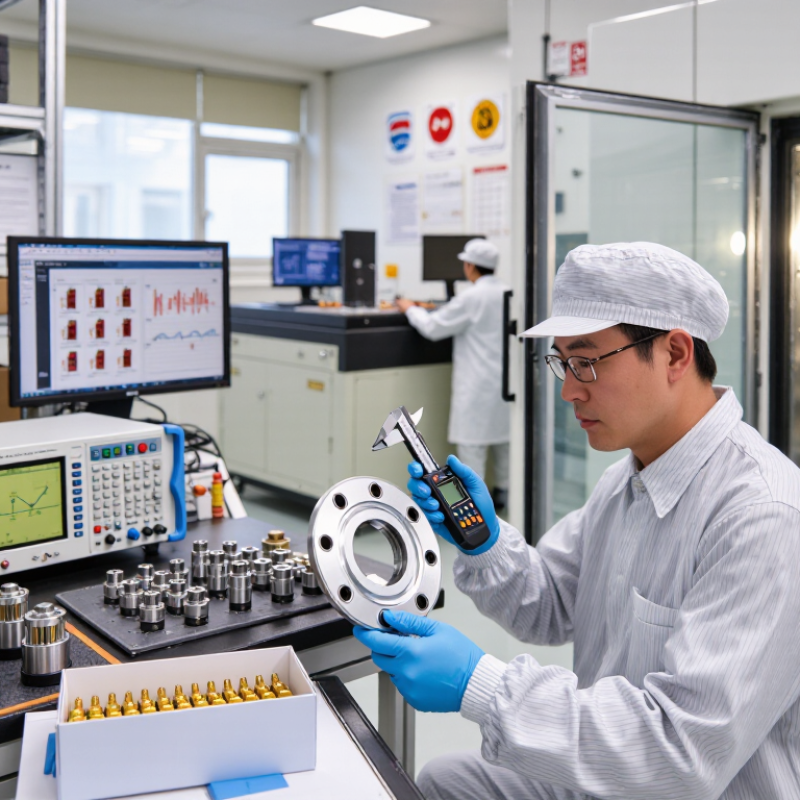
Ask about the manufacturer’s engineering process. Review material selection, electrode design, bonding methods, polarization controls, and final inspection records. Request samples from a normal production line, not only specially prepared units. Measure resonance, impedance, sensitivity, and aging performance with documented equipment. Check whether test methods match your own laboratory procedures.
Look for traceable quality systems, experienced technical staff, and realistic production capacity. Verify relevant certifications and request recent inspection reports. A factory should explain its tolerances, failure rates, corrective actions, and packaging controls without avoiding difficult questions. Small details matter, such as moisture barriers and connector strain relief. Do not accept impressive claims without repeatable data. No supplier is perfect. A careful review should also examine communication delays, unclear drawings, and slow responses to engineering changes. These weaknesses may not appear in a polished sales presentation, but they can affect qualification schedules and long-term reliability. A pilot order with agreed acceptance criteria offers a safer assessment than a large initial purchase.